Why visit, and how many days you need
Seville is the capital of Andalusia and the city most people picture when they think of southern Spain: orange trees, tiled patios, flamenco, tapas bars and a centre made for walking. It has two of the most impressive monuments in Europe side by side, the Real Alcázar and the cathedral, and a street life that goes on until midnight.
Plan two to three full days. Two days cover the main sights. A third day lets you add Triana, a museum or two and a slower evening. With four or five days, add a day trip to Córdoba, Cádiz or Ronda. See how many days in Seville.
Where to stay
Stay in the historic centre, so you can walk everywhere:
- Santa Cruz for the sights and the charm
- Centro and Alfalfa for tapas and convenience
- Triana for a local neighbourhood across the river
Full guide with hotels in every area: where to stay in Seville. If you already know the area, go straight to the best hotels in Seville.
Top sights
- Real Alcázar. A royal palace with Mudéjar courtyards and huge gardens. Book tickets ahead.
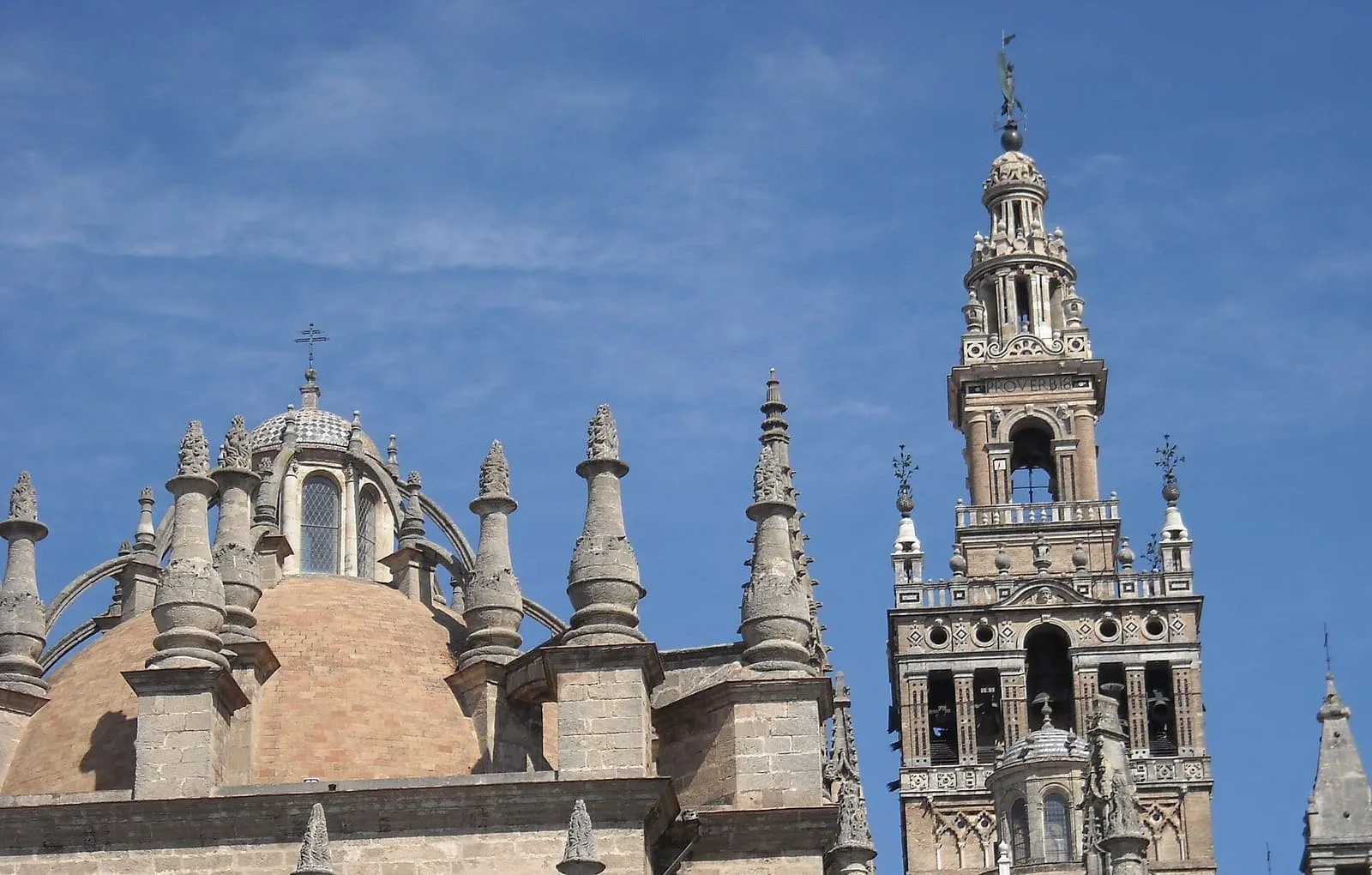
- Cathedral and Giralda. The largest Gothic cathedral in the world, with Columbus’s tomb and a climb up the old minaret.
- Plaza de España. A vast semicircle of towers, canals and tiled benches, built for the 1929 exhibition.
- Santa Cruz. The old Jewish quarter: whitewashed lanes, patios and orange trees.
- Setas de Sevilla. A giant wooden canopy with a rooftop walkway over the old town.
- Triana. The ceramics and flamenco neighbourhood across the river, with its covered market.
- A flamenco show. Seville is flamenco’s capital, and a small show is unforgettable.
Full list: things to do in Seville.
Neighbourhoods at a glance
| Neighbourhood | What it’s like |
|---|---|
| Santa Cruz | Postcard lanes around the Alcázar and cathedral. Busy by day, magical at night |
| Centro and Alfalfa | Shopping streets, squares and the best tapas bars |
| El Arenal | The river, the bullring and the Torre del Oro |
| Triana | Local, proud, full of ceramics workshops and flamenco bars |
| Alameda de Hércules | Bohemian square with bars and cafés |
| Parque de María Luisa | The big park around Plaza de España |
When to go
The best months are March to May and October to November. Days are warm and sunny, the orange blossom fills the air in March and April, and evenings are perfect for terraces.
- Summer (June to September) is very hot, often above 40 °C in July and August. Hotels are cheapest, but plan sightseeing for the mornings and evenings.
- Winter (December to February) is mild and sunny, around 16–18 °C by day, and the quietest time.
- Big events: Semana Santa (Holy Week; 21–28 March 2027) and the Feria de Abril fill the city, and prices double.
More in the best time to visit Seville.
Getting there and around
- By plane: Seville airport (SVQ) is 10 km from the centre. The EA airport bus takes about 35 minutes; a taxi has a fixed fare. See Seville airport to the city centre.
- By train: the AVE high-speed train reaches Santa Justa station from Madrid in about 2.5 hours, from Córdoba in 45 minutes and from Málaga in about 2 hours. See getting to Seville.
- In the city: walk. The centre is compact and many streets are pedestrian. Buses and the tram help with longer distances. See getting around Seville.
- By car: you don’t need one in Seville. Hire one only for day trips or a road trip, ideally from the airport. See car hire in Seville.
Plan the rest of Andalusia
Seville is the best base for western Andalusia: Córdoba, Cádiz, Jerez and the white villages are all within two hours. See day trips from Seville and our Andalusia road trip.
FAQ
Is Seville worth visiting?
Yes. It is one of the most beautiful cities in Spain, easy to explore on foot, with world-class monuments, great food and a lively street life all year.
How many days do you need in Seville?
Two full days for the highlights, three to see it without rushing, and four or five if you want to add day trips.
Is Seville expensive?
It is cheaper than Madrid or Barcelona. Tapas cost €3–5 each, and a double room in a good central hotel is around €90–150 in low season. Prices rise sharply in spring and during events.
Is Seville safe for tourists?
Yes. The centre is safe day and night. Watch for pickpockets in crowds (especially during Semana Santa) and for rosemary sellers near the cathedral.
What is Seville famous for?
Flamenco, the Real Alcázar, the cathedral and Giralda, Semana Santa and the Feria de Abril, tapas, orange trees and its Moorish and Mudéjar architecture.