Some links on this page are affiliate links. If you book through them we may earn a commission, at no extra cost to you.
The short answer
Jerez de la Frontera is the home of sherry, a city of about 210,000 people between Seville and Cádiz. It is best known for three things: sherry bodegas, Andalusian horses and flamenco. The English word “sherry” comes from Sherish, the town’s Arabic name.
- Why go: a bodega tour and tasting, the horse show of the Royal Andalusian School of Equestrian Art, the Alcázar and a flamenco evening in a traditional sherry bar.
- Time needed: one full day; one night if you want flamenco or the horse show plus two bodegas.
- Cost: bodega tours cost about €25–35, the horse show about €24–31, the Alcázar about €5.
- Getting there: about 1 hour by train from Seville and about 40 minutes from Cádiz, on the same line.
Day trip or one night?
Most visitors come on a day trip from Seville or Cádiz, and that is enough: the main bodegas, the Alcázar and the cathedral are close together. Plan the day around the horse show, which only runs on some mornings, and book a bodega tour for the afternoon.
Stay a night if you want flamenco. The tabancos and flamenco clubs come alive late, after the last train to Seville has left. Jerez is also a good, cheaper base for Cádiz, Sanlúcar and El Puerto de Santa María.
Prices at a glance
| Sight | Price (approx.) | Time needed | Book ahead? |
|---|---|---|---|
| Bodega tour and tasting | €25–35, up to about €60 | 1–1 h 30 | Yes |
| Horse show (Real Escuela) | €24–31 | about 1 h 30 | Yes |
| Alcázar and camera obscura | about €5, plus a few euros | 1–1 h 30 | No |
| Cathedral | about €8, audio guide included | 45 minutes | No |
Sherry bodegas
A bodega in Jerez is a winery and ageing cellar: long, high-ceilinged halls with stacked rows of black oak casks. Visits usually last about an hour and end with a tasting. Book online a few days ahead, especially for tours in English and at weekends.
A short sherry primer
Sherry is made mainly from the Palomino grape, grown on the white chalky soil (albariza) around the Sherry Triangle: Jerez, Sanlúcar de Barrameda and El Puerto de Santa María. It is aged in a solera, a system of casks where younger wine is blended into older wine over many years.
- Fino: pale, dry and light, aged under a layer of yeast called flor. Drink it cold, with olives, almonds or seafood.
- Manzanilla: a fino-style wine that can only be made in Sanlúcar, where the sea air gives it a salty freshness.
- Amontillado: starts life as a fino, then ages without the flor. Amber, dry and nutty.
- Oloroso: aged without flor from the start. Dark, dry and full-bodied, good with meat.
- Pedro Ximénez (PX): very sweet, almost black, from sun-dried grapes. A dessert on its own, or poured over ice cream.
Sherry is stronger than table wine (about 15–20%), so the tasting glasses are small. Eat something with it, and don’t drive after a tour.
Which bodega to visit
- González Byass (Tío Pepe): the biggest and most visited, next to the cathedral and the Alcázar. Part of the tour is by little train through the old streets of the bodega, and it includes La Concha, a round 19th-century cellar with an iron roof. Many tour times and languages; visits from about €25.
- Lustau: a respected house with cathedral-like cellars in the centre. Tours cost about €26–36, with a longer tasting of very old wines for about €60.
- Bodegas Tradición: small and specialised in very old sherries (VOS and VORS, 20 and 30 years plus), with a private collection of Spanish paintings including works by Goya, Velázquez and Zurbarán. Visits by appointment only, about €35.
- Sandeman: the house with the famous caped “Don” logo has long offered tours at its Jerez bodega, but check that visits are running before you plan around it.
Prefer a guide and transport? Book one of the sherry bodega tours in Jerez.
The Royal Andalusian School of Equestrian Art
The Real Escuela Andaluza del Arte Ecuestre trains riders and Andalusian horses in the grounds of a 19th-century palace. Its show, “Cómo bailan los caballos andaluces” (“How the Andalusian horses dance”), is an equestrian ballet with dressage and classical riding to Spanish music, with riders in 18th-century costume.
The show usually runs on Tuesday and Thursday at 12:00, with extra days in some months. Tickets cost about €24, or about €31 for the front rows. Buy them on the school’s official website, or book horse show tickets in Jerez. On other weekday mornings you can visit the grounds, the stables and the carriage museum and watch a training session, for less.
The Alcázar and the camera obscura
The Alcázar de Jerez is a fortress built by the Almohads in the 12th century. Inside the walls you see the old mosque (later a chapel), the Arab baths, gardens, an old olive oil mill and the 18th-century Palacio de Villavicencio. Its tower holds a camera obscura: a guided session of about 20 minutes that projects live views of the city onto a dish. Go on a sunny day, and in the morning if you can, as the Alcázar often closes in the early afternoon.
The cathedral and the old town
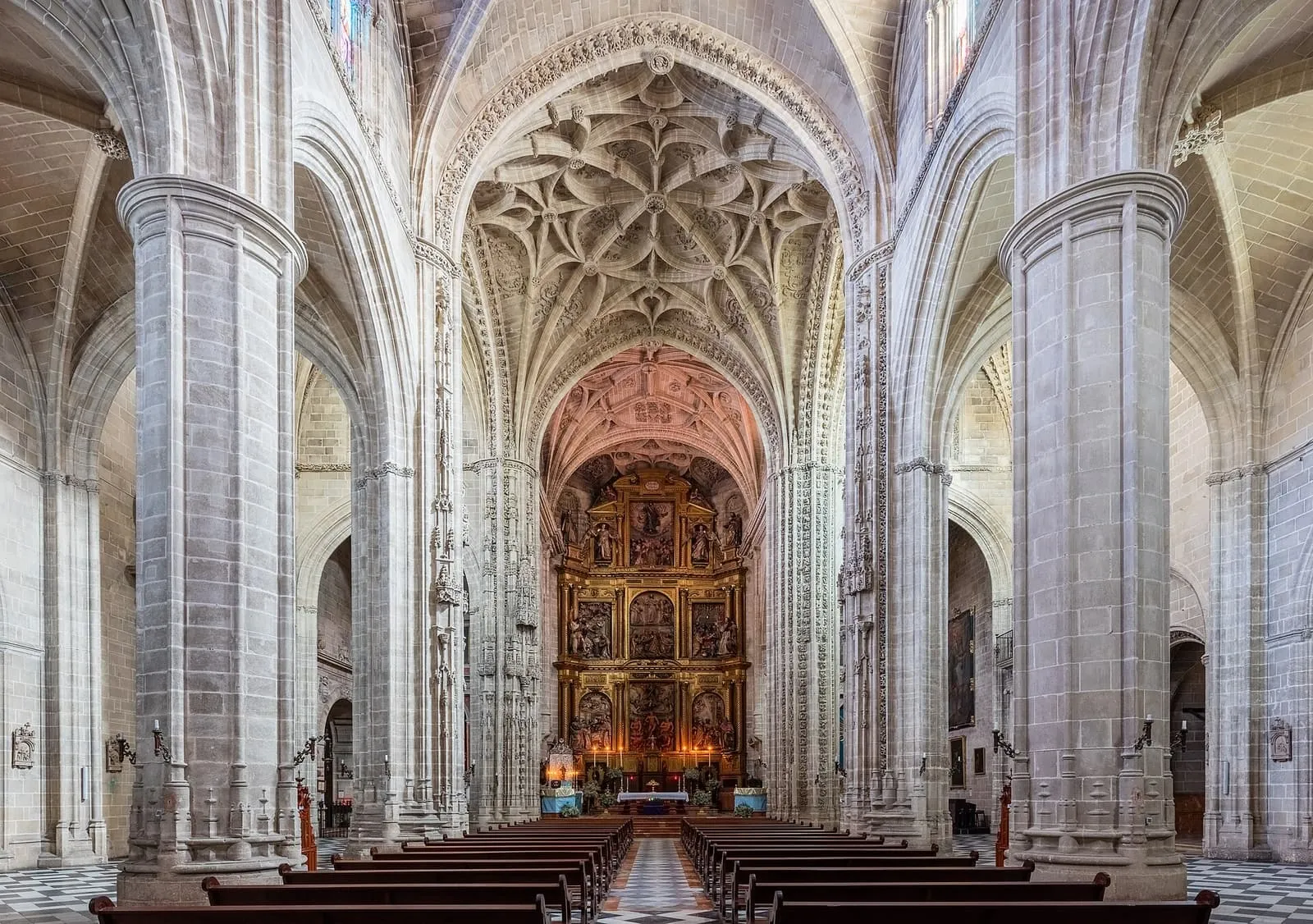
The cathedral, a mix of Gothic, Baroque and Neoclassical styles from the 17th and 18th centuries, stands on a wide flight of steps next to the Alcázar and the Tío Pepe bodega, with its bell tower set apart. It became a cathedral only in 1980. The ticket includes an audio guide, and you can add the tower.
From there, walk through the old town: Plaza de la Asunción with the Renaissance Cabildo Viejo, the church of San Miguel, the busy Calle Larga and Plaza del Arenal.
Flamenco, the Barrio de Santiago and the tabancos
Jerez is one of the cradles of flamenco. The Barrio de Santiago and San Miguel, the old Gitano neighbourhoods, have produced generations of singers, dancers and guitarists, and the style of Jerez is known for its bulerías. The Centro Andaluz de Flamenco, in a palace in the Barrio de Santiago, has exhibitions and archives on the art.
The easiest way in is a tabanco: a traditional sherry bar where wine is served from the cask, with simple tapas. Some have flamenco on certain evenings, such as Tabanco El Pasaje; Tabanco Plateros is a good place for a glass of fino. For more serious flamenco, look for the programme of the peñas (flamenco clubs). See also our guide to flamenco in Seville.
Festivals and events
- Festival de Jerez (late February to early March): one of the leading flamenco festivals in the world, with shows every night for more than two weeks. The 2027 edition is announced for 19 February to 6 March.
- Feria del Caballo (spring): the horse fair, usually in May, with riders and carriages in the Parque González Hontoria. In 2027 it has been brought forward to 24 April to 1 May.
- MotoGP (spring): the Spanish Grand Prix at the Circuito de Jerez-Ángel Nieto, outside the city, announced for 7–9 May 2027. Hotels in Jerez, and even in Cádiz and Seville, fill up and prices spike: avoid that weekend unless you are going to the race.
- Zambombas (December): Christmas singing gatherings in squares and courtyards, a local tradition. See Christmas in Seville.
Getting to Jerez
| From | Train | Car |
|---|---|---|
| Seville | about 1 h, direct | about 1 h (AP-4) |
| Cádiz | about 40 min, direct | about 35–40 min |
| Madrid | a few direct trains a day, about 4 h | about 6 h |
- By train: regional trains between Seville and Cádiz stop at Jerez, so it is easy to combine with either. The station and the bus station are next to each other, about 15 minutes’ walk from the centre. Compare times: Seville to Jerez by train. See our Seville to Cádiz guide.
- By plane: Jerez airport is just north of the city, with a stop on the same train line, about 10 minutes from Jerez station.
- By car: useful if you continue to Sanlúcar or the white villages. Park outside the old town, whose streets are narrow. Jerez fits well on an Andalusia road trip.
- Tour from Seville: many day tours combine a bodega in Jerez with Cádiz. Cádiz and Jerez day trip from Seville. See all day trips from Seville.
Where to stay
Stay in the old town, between the cathedral, Plaza del Arenal and Calle Larga, so you can walk to the bodegas and back from the tabancos at night.
- Hotel Bodega Tío Pepe: inside the González Byass bodega, facing the cathedral and the Alcázar, with a seasonal pool.
- Hotel Palacio Garvey: a small hotel in a 19th-century palace in the centre.
- Casa Palacio María Luisa: a luxury hotel in a restored palace, for a special night.
- More options: hotels in Jerez’s old town.
Nearby: Sanlúcar, El Puerto and Cádiz
- Sanlúcar de Barrameda (about 30 minutes by car): the home of manzanilla, at the mouth of the Guadalquivir, with bodega visits such as Barbadillo and prawns on the Bajo de Guía waterfront.
- El Puerto de Santa María (about 20 minutes): the third town of the Sherry Triangle, with bodegas, seafood bars and beaches, on the train line to Cádiz.
- Cádiz (about 40 minutes by train): the old port city almost surrounded by the sea. See our Cádiz guide and things to do in Cádiz.
FAQ
Is Jerez de la Frontera worth visiting?
Yes, especially if you like wine, horses or flamenco. The bodegas, the horse show and the Alcázar make a full day, and the city is much quieter than Seville or Cádiz.
What are the best things to do in Jerez?
Take a sherry bodega tour, watch the horse show of the Royal Andalusian School, visit the Alcázar and its camera obscura, and spend an evening in a tabanco with flamenco.
Which days is the horse show in Jerez?
Usually on Tuesday and Thursday at 12:00, with extra days in some months. Check the official calendar and book ahead.