


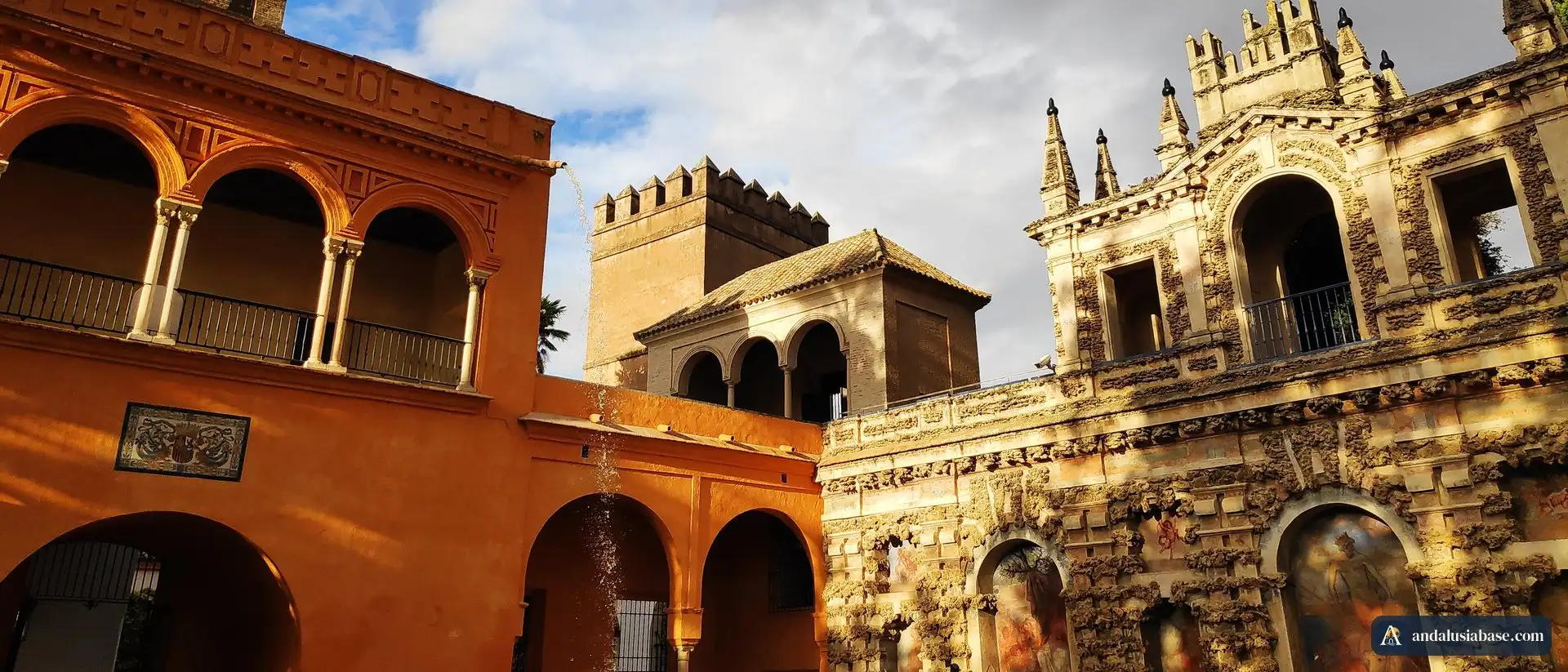
Where to go in Andalusia
Andalusia is Spain’s southern region: eight provinces, three great Moorish cities, two coasts and a string of white villages in the mountains between them. Most first trips combine two or three cities with a few day trips, so it helps to think of the region in three parts.
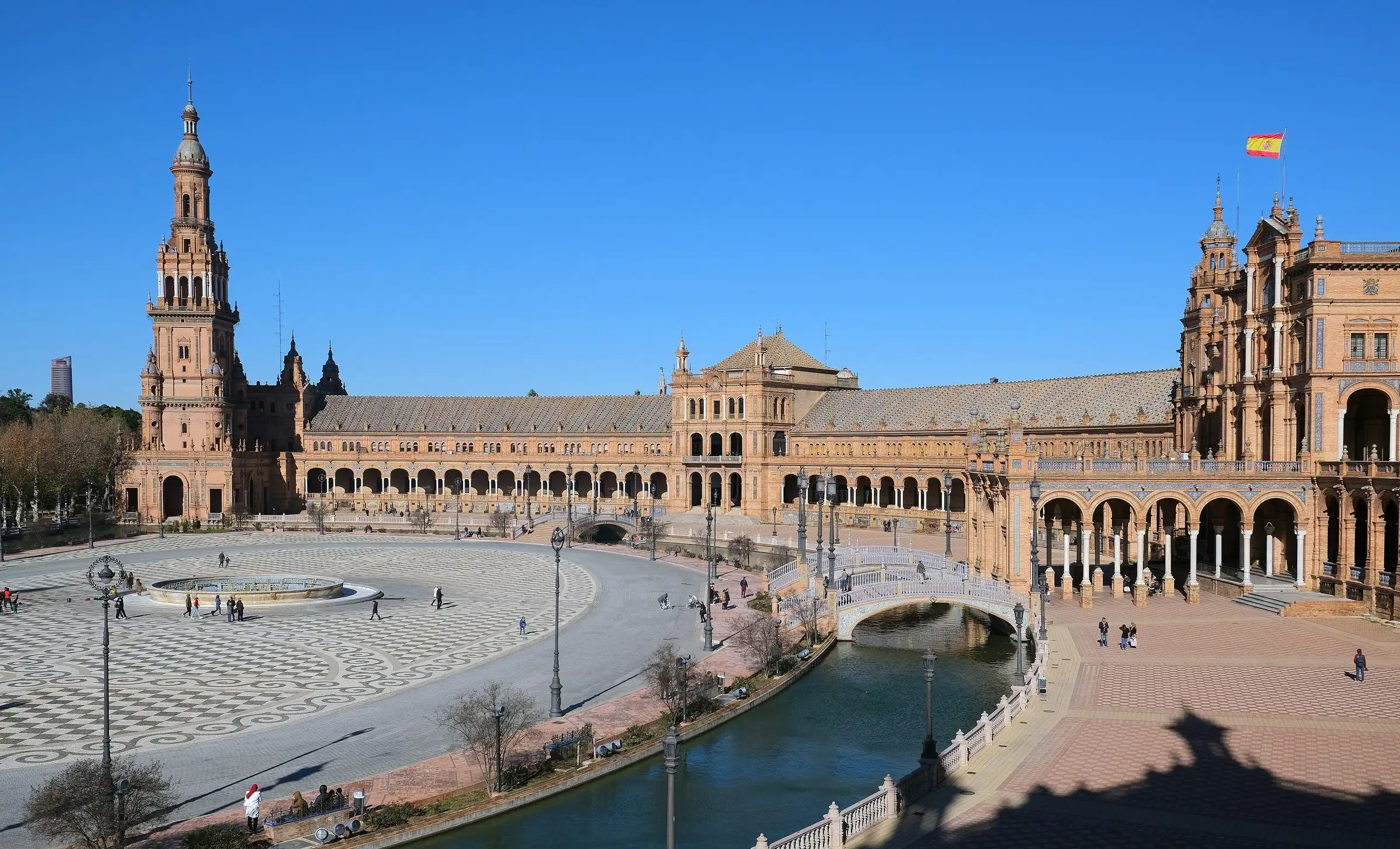
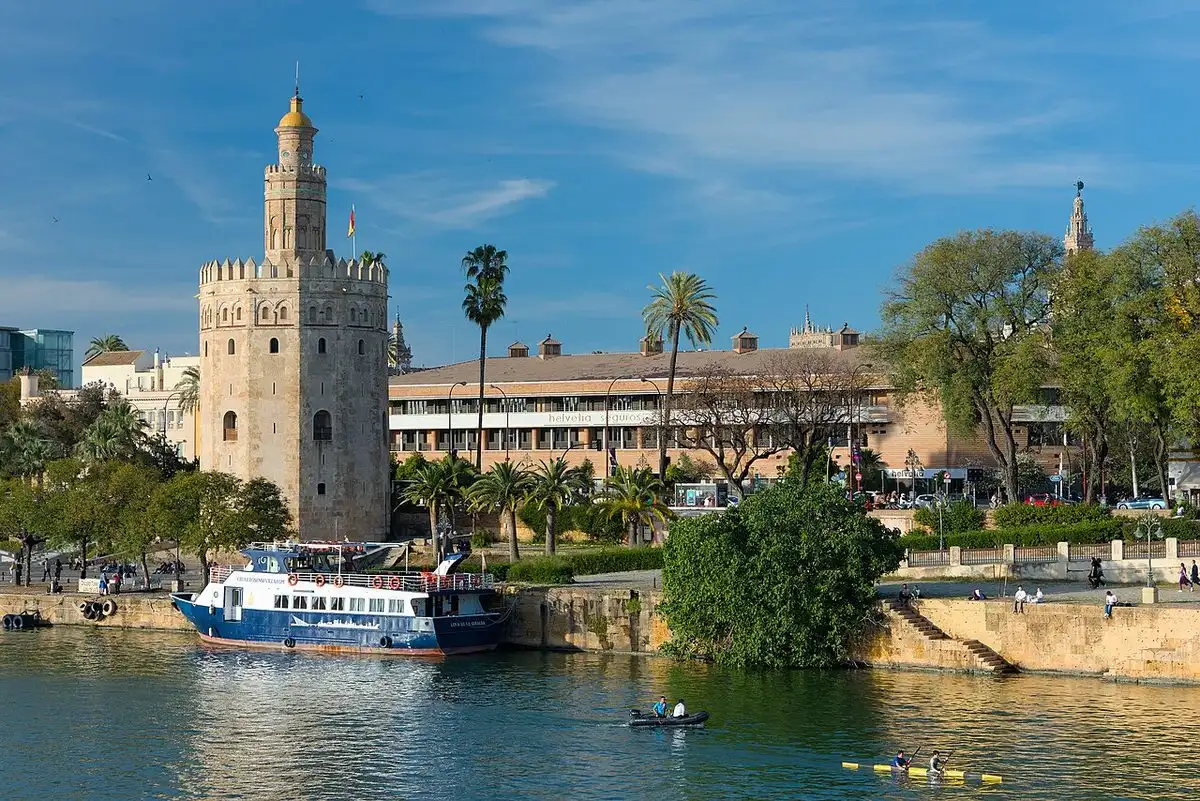
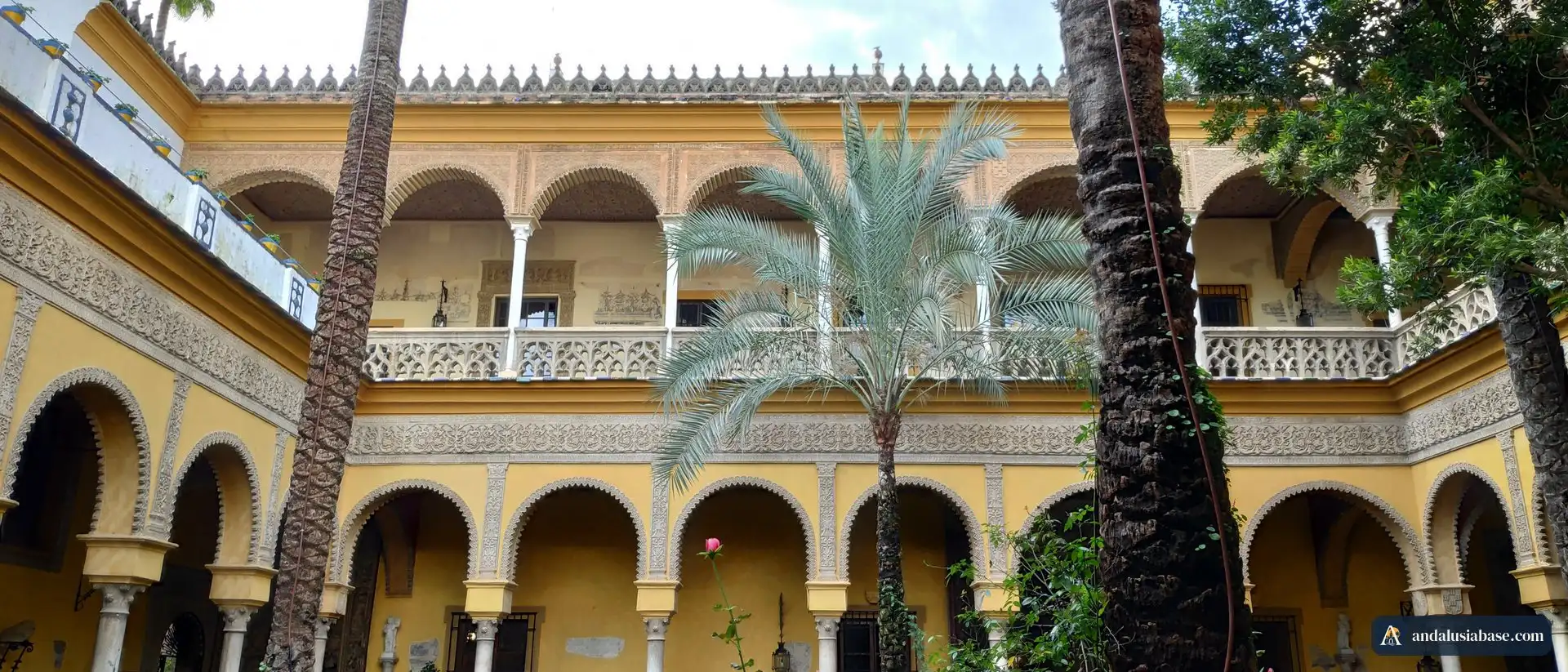
- The west: Seville, Cádiz and Huelva. Seville is the capital and the easiest base, with the Real Alcázar, the cathedral and flamenco every night. From there, Cádiz and Jerez are an easy day out, the Costa de la Luz has long Atlantic beaches, and Huelva leads to Doñana and the Portuguese border.
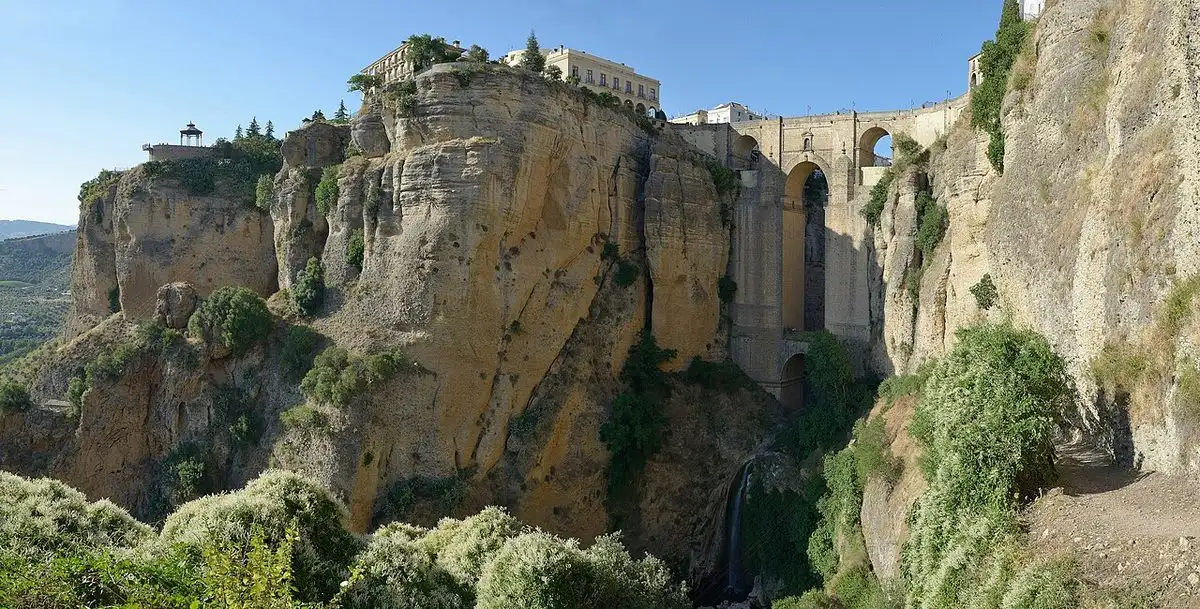
- The centre: Córdoba, Ronda and Antequera. Córdoba and its Mezquita are 45 minutes from Seville by high-speed train. Ronda sits on its gorge in the middle of the white villages, and Antequera is a crossroads between Málaga, Granada and Seville.
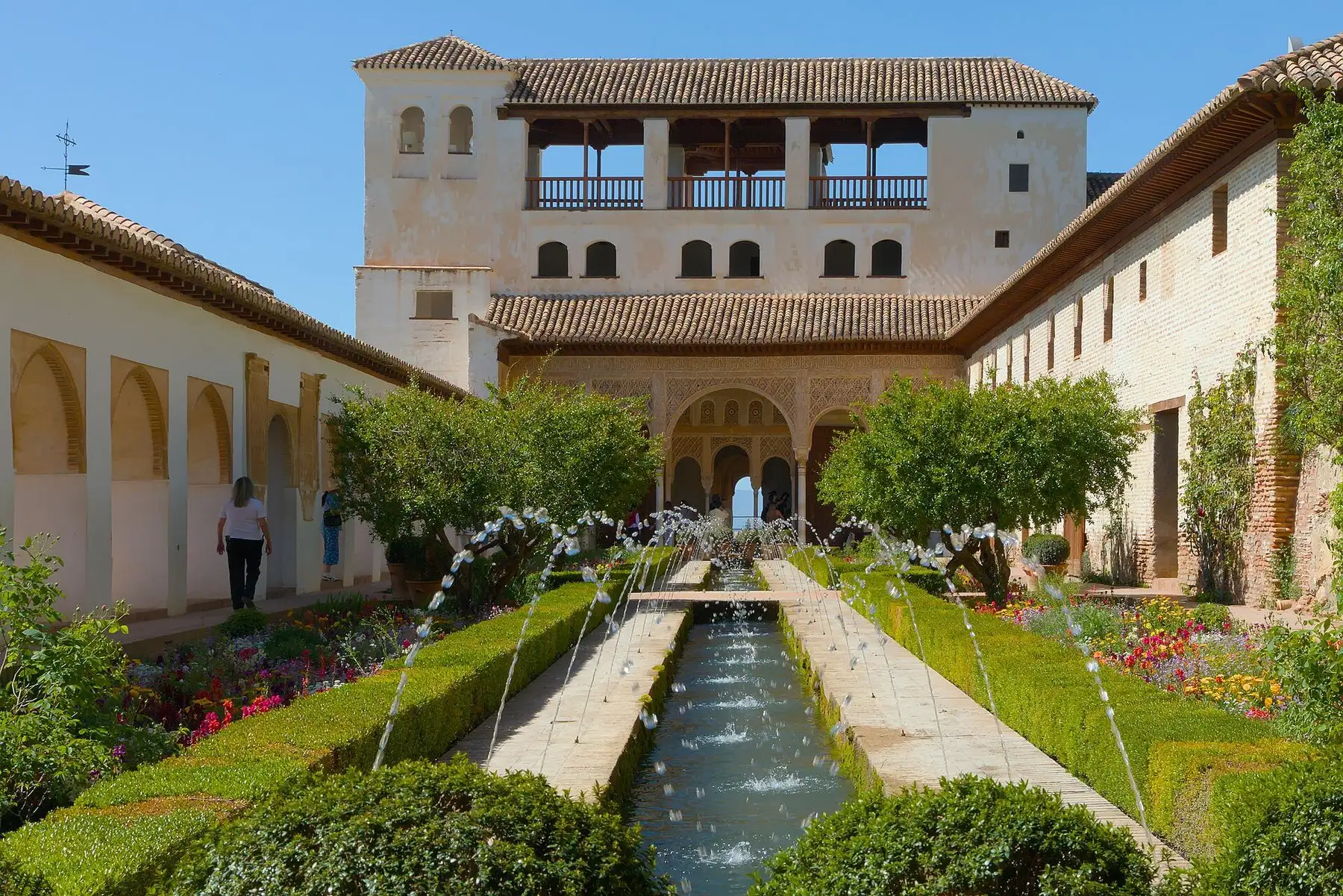
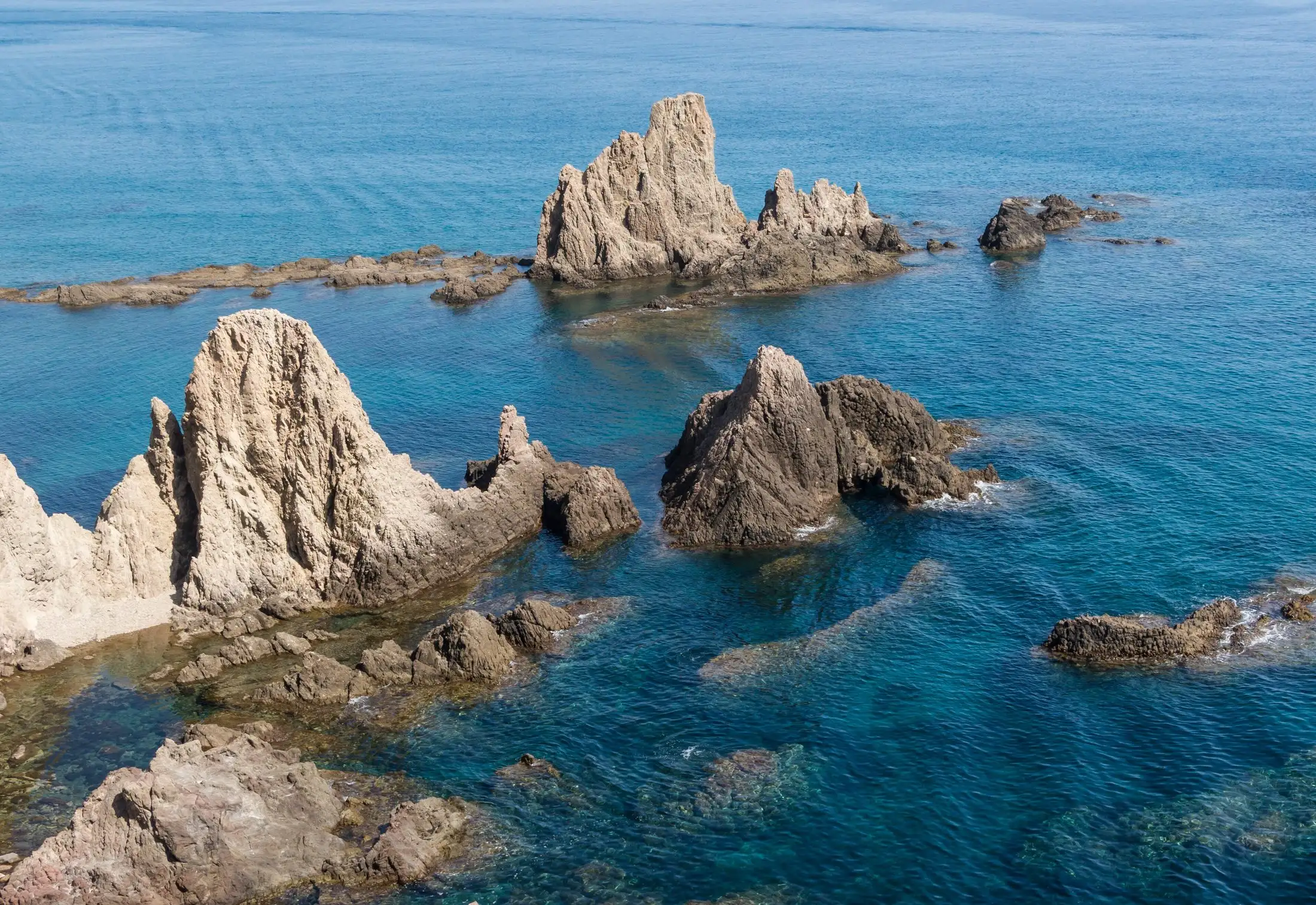
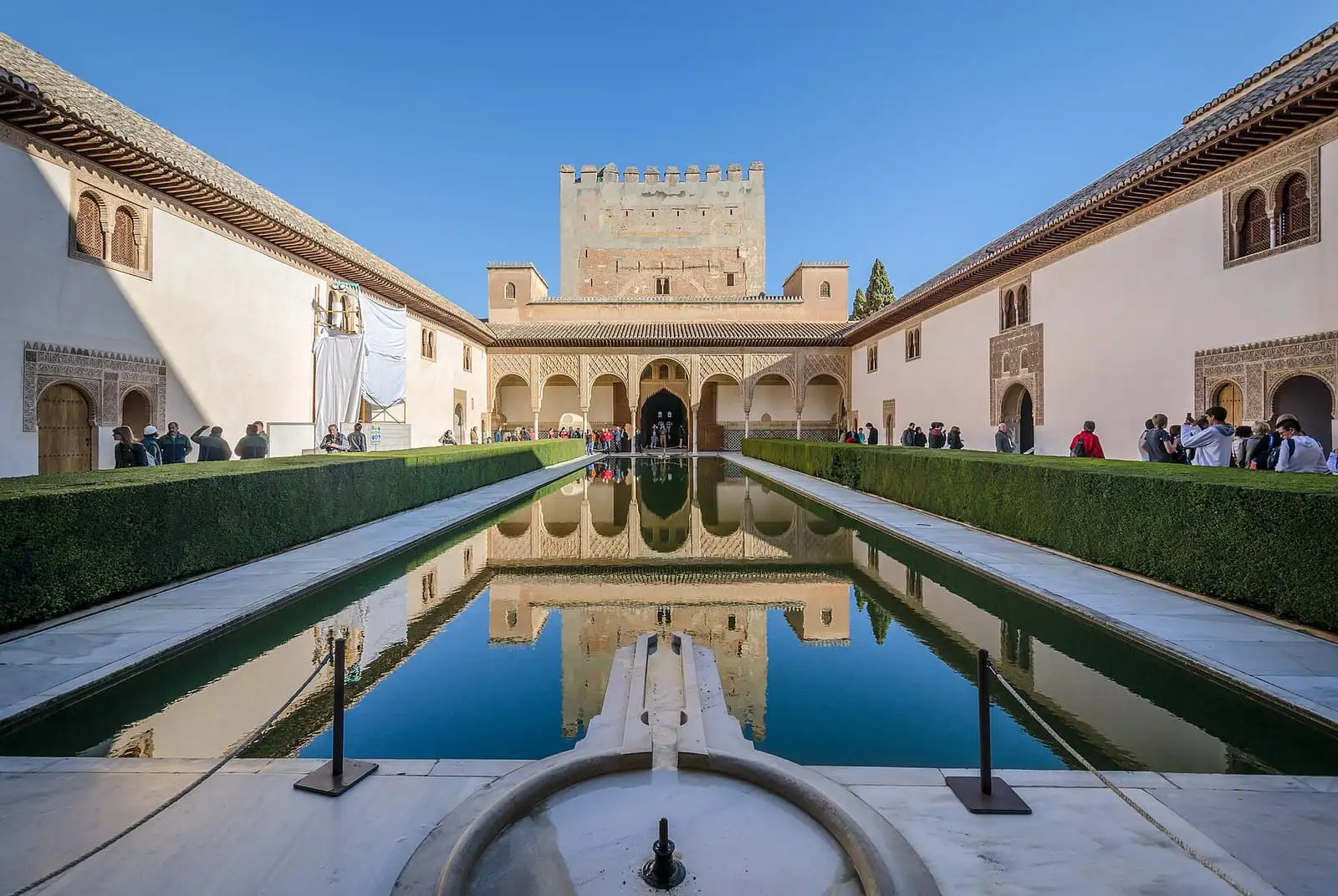
- The east: Granada, Málaga and Almería. Granada has the Alhambra and the Sierra Nevada behind it. Málaga has the busiest airport and the Costa del Sol on its doorstep, and Almería has the desert landscapes and quiet coves of Cabo de Gata.
Our Andalusia map shows every city, village and beach we cover in one place, and the best places to visit ranks them.
Choosing a base: Seville, Granada, Málaga or Córdoba
For a first trip, the simplest plan is to split your stay between Seville and Granada, and add Málaga if you want the beach or your flights land there.
| Base | Best for | Nights | Getting there |
|---|---|---|---|
| Seville | Monuments, flamenco, nightlife, day trips to Córdoba, Cádiz and Ronda | 3–4 | Airport with European flights; high-speed trains to Madrid, Córdoba and Málaga |
| Granada | The Alhambra, the Albaicín, free tapas, the Sierra Nevada | 2–3 | Small, mostly domestic airport; direct trains to Madrid and Seville |
| Málaga | Beach, museums, winter sun, Ronda and Nerja | 2–3 | The most flights in Andalusia; high-speed trains to Madrid and Córdoba |
| Córdoba | The Mezquita, the patios, a quieter city | 1–2 | No airport; 45 minutes by high-speed train from Seville |
More detail, including where to stay in each city, is in our guide to where to base yourself in Andalusia.
Andalusia itineraries: three ways to plan your trip
- Seven days by car. The classic loop starts in Málaga and drives to Granada for the Alhambra, then Córdoba and Seville, and back through Ronda and the white villages. It covers the highlights at a steady pace. See our Andalusia road trip for the day-by-day plan and driving times.
- Ten days by car. The same loop with more breathing space: Nerja and Frigiliana on the way to Granada, a second day in the Albaicín, then Cádiz, Jerez and the villages of Arcos, Grazalema and Zahara before Ronda.
- A week without a car. Base yourself in Seville for three or four nights with a day trip to Córdoba by high-speed train, then take the train to Granada, about 2 hours 45 minutes, for two or three nights. Start with our three days in Seville and the Granada to Seville guide.
When to visit Andalusia
The best time to visit is spring (March to May) and autumn (late September to November), when it is warm and sunny everywhere without the summer heat of the interior. In July and August, average highs in Seville and Córdoba are around 36 °C and heatwaves go well beyond that, so plan sightseeing for the morning and evening or head for the coast. The Costa del Sol is the place for winter sun, with around 17 °C at midday in January, and the Sierra Nevada usually has skiing from December to April. Month by month details are in our guide to the best time to visit Andalusia.
Getting around: train, bus or car
- High-speed trains link Seville, Córdoba and Málaga, and connect all three with Madrid. They are the fastest way between the big cities: Seville to Córdoba takes about 45 minutes and Málaga to Seville about 2 hours. See getting to Seville for every route.
- Buses fill the gaps, between Granada and the other cities and to the smaller towns.
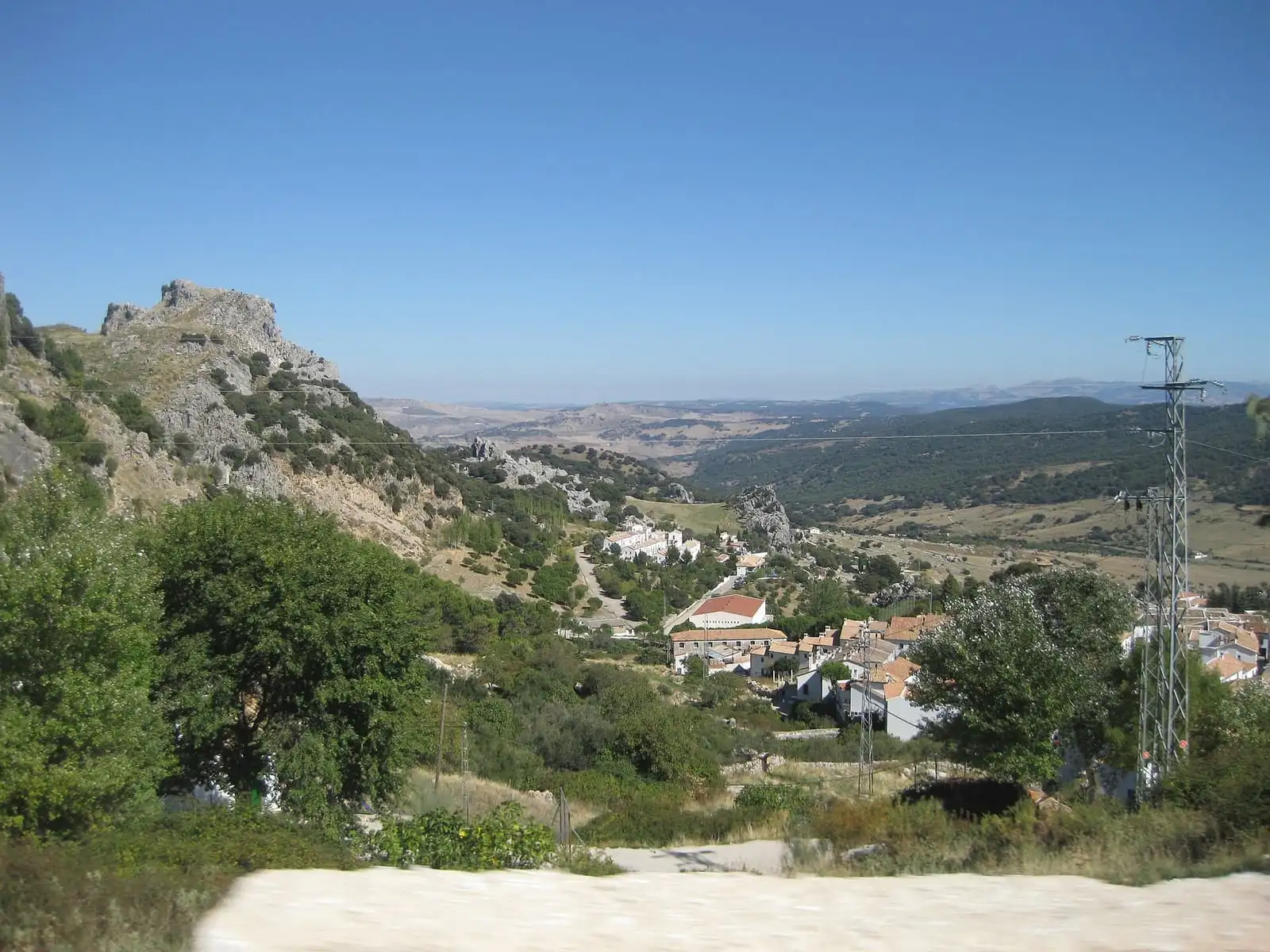
- A car is the easiest way to see the white villages, Ronda, the Cádiz coast and the natural parks, where buses are few. Pick it up at Málaga or Seville airport and keep it out of the old city centres. Our car hire guide compares where to pick up, one-way hire and what driving here is like.
Food and tapas
Tapas are the way to eat in Andalusia: small plates, ordered a few at a time, standing at the bar or at a table outside. In Granada a small tapa often comes free with each drink; in Seville you order them by the dish, and fried fish, salmorejo and Iberian ham are everywhere. Start with our guides to where to eat in Seville, Granada and Málaga.
Plan your budget
Prices depend most on the season and on where you sleep: hotels in Seville cost much more at Easter and during the April Fair, and the coast is at its most expensive in summer. Our trip cost calculator gives you a daily budget for your dates, travel style and the sights you want to see. Before you go, our pre-trip checklist covers what to book, pack and sort.
FAQ
What is the best time to visit Andalusia?
Spring (March to May) and autumn (late September to November). It is warm and sunny across the region without the summer heat of the interior, and we think April, May and October are the best months of all. See our guide to the best time to visit Andalusia.
How many days do you need in Andalusia?
A week covers the highlights: Seville, Córdoba and Granada, with a day trip or two. With ten days you can add the white villages, Ronda and the coast. Our Andalusia road trip has both plans day by day.
Where should I base myself in Andalusia?
For a first trip we’d split the stay between Seville and Granada, and add Málaga if you want the beach or your flights land there. Córdoba is an easy day trip from Seville. More in where to base yourself in Andalusia.
Do I need a car in Andalusia?
Not for the cities: high-speed trains link Seville, Córdoba and Málaga, and buses fill the gaps. A car is the easiest way to see the white villages, Ronda, the Cádiz coast and the natural parks. See our car hire guide.
Do I need to book the Alhambra in advance?
Yes. Tickets go on sale online about three months ahead and often sell out, especially in spring, summer and at Easter. We’d book as soon as your dates are fixed. Our Alhambra tickets guide explains the ticket types and what to do if it is sold out.
Is Andalusia too hot in summer?
Seville and Córdoba are among the hottest cities in Europe in July and August, with average highs around 36 °C. If you travel then, plan sightseeing for the morning and evening, or spend the hottest days on the coast.
How much does a trip to Andalusia cost?
It depends most on the season and on where you sleep: hotels in Seville cost much more at Easter and during the April Fair. Our trip cost calculator gives you a daily budget for your dates and travel style.