
Some links on this page are affiliate links. If you book through them we may earn a commission, at no extra cost to you.
The short answer
The Costa Tropical is the coast of Granada province: the stretch of the Mediterranean between Nerja in Málaga province and the border with Almería. The Sierra Nevada shelters it from cold northern winds, which gives it a mild, almost frost-free climate and farms of mango, avocado and chirimoya (custard apple), fruits grown in very few other places in Europe. The coast is rocky, with cliffs, coves and dark sand or pebble beaches, and much less built-up than the Costa del Sol.
- Best all-round base: Almuñécar, a real town with a castle, Roman remains and several beaches.
- Best for diving, snorkelling and kayaking: La Herradura, a sheltered bay next to the Cerro Gordo cliffs.
- Most beautiful town: Salobreña, a white village on a rock above long beaches.
- Best for a local, non-touristy stay and ferries: Motril, the working capital of the coast.
- Quietest: Castell de Ferro, Calahonda and La Mamola, east of Motril.
- Best cove: Cantarriján (partly naturist), in the Maro-Cerro Gordo cliffs natural area.
Málaga airport and Granada are both about an hour’s drive away. The Alhambra, the Alpujarras and the Sierra Nevada ski slopes are all within about 1 h 30, so in spring you can ski and swim on the same day.
Costa Tropical or Costa del Sol?
| Costa Tropical | Costa del Sol | |
|---|---|---|
| Province | Granada | Málaga |
| Landscape | Cliffs, coves, tropical fruit farms | Long, flat, built-up shore |
| Beaches | Dark sand, gravel and pebbles | Mostly grey-brown sand |
| Visitors | Mostly Spanish, many from Granada | International, many British |
| Getting there | About 1 h from Málaga airport; buses | Airport train to the main resorts |
| Car needed? | Strongly advised | Not for Torremolinos to Fuengirola |
We’d choose the Costa Tropical for a quieter, more Spanish beach holiday close to Granada, and the Costa del Sol for an easy, car-free stay with sandier beaches and more nightlife.
The towns compared
| Town | Vibe | Beaches | Best for |
|---|---|---|---|
| La Herradura | Small resort on a horseshoe bay | One long bay, coves nearby | Divers, snorkellers, couples |
| Almuñécar | Busy town with an old centre | Several town beaches and coves | First visit, families, no car |
| Salobreña | White village on a rock | Long, open beaches below | A pretty base, couples |
| Motril | Working town and port | Wide beaches a few km from the centre | Local life, ferries, budget |
| Castell de Ferro, Calahonda, La Mamola | Quiet villages | Small bays, coves, few people | Peace, long stays |
The towns, west to east
1. La Herradura
The first town you reach from Nerja, about 15–20 minutes away. It sits on a horseshoe-shaped bay (herradura means horseshoe) of dark sand, about 2 km long, closed by two headlands: Cerro Gordo to the west and Punta de la Mona to the east, where the small Marina del Este yacht harbour lies below the cliffs. The bay is sheltered and usually calm.
The seabed around both headlands is some of the best on the Andalusian Mediterranean, with rocks, caves and sea grass. Several dive centres run trips from the beach and the marina, and you can rent kayaks and paddleboards on the sand to paddle to the coves. It is a low-key place with beach bars and flats, popular with Spanish families in August.
2. Almuñécar
See our Almuñécar guide for the sights, beaches and bus times. The largest resort on the coast, with a real old town of white lanes on a hill between two bays. It was the Phoenician and Roman town of Sexi, and has more to see than most beach towns:
- Castillo de San Miguel: a castle on the hilltop above the old town, used by the Nasrid kings of Granada and rebuilt after the Christian conquest, with views over both bays.
- Cueva de Siete Palacios: a Roman vaulted building under the old town, now the archaeology museum. A combined ticket with the castle costs about €4.
- Parque El Majuelo: a botanical garden at the foot of the castle, around the remains of a Phoenician and Roman fish-salting factory that made garum, the Roman fish sauce.
- Roman aqueduct: several sections of the aqueduct that brought water to the town survive in and around Almuñécar, on the way to Torrecuevas.
- Peñón del Santo: a rocky outcrop with a cross, next to El Majuelo, which we think is the best viewpoint over the sea at sunset.
The main beaches are San Cristóbal (west of the rock, dark sand and pebbles, promenade and restaurants) and Puerta del Mar and Velilla (east, closer to shops and the water park). To the west, Cotobro is a smaller beach under the cliffs. Almuñécar has frequent ALSA buses to Málaga and Granada, so you can manage here without a car.
3. Salobreña
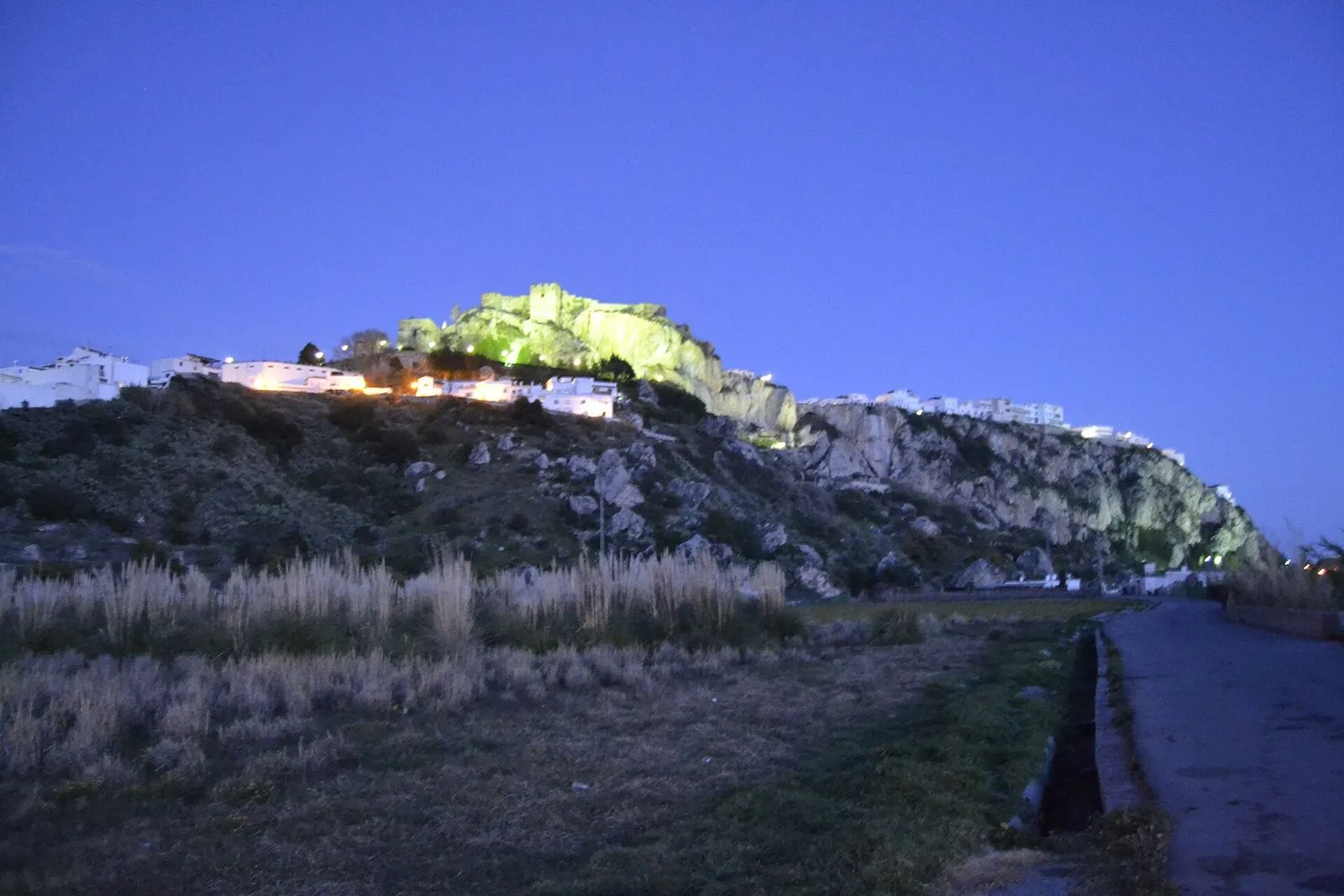
See our Salobreña guide for the castle, the old town and the beaches. In our view the prettiest town on the coast: a white village climbing a rock above the plain of the Guadalfeo river, with sugar cane and fruit fields around it. At the top, the Castillo de Salobreña is a 13th- century Nasrid fortress where the kings of Granada held deposed rulers, restored in 2014–2015. Entry costs about €4, and we think the view over the coast and the Sierra Nevada is the best on the Costa Tropical.
Below the village, a long line of beaches (La Guardia, La Charca, El Peñón and Punta del Río) runs along the plain, split by El Peñón, a rock with a beach bar. The sand is grey and coarse, but there is plenty of space even in August. We’d stay up in the old village for charm, or near the beach for convenience.
4. Motril
The largest town of the coast and its main port, with ferries to Melilla and, in season, to Morocco. Motril is a working town rather than a resort. Its beaches, Playa Granada and Playa Poniente, are wide and a few kilometres from the centre, with golf, apartments and seafood restaurants. In town, the Museo Preindustrial de la Caña de Azúcar tells the story of the sugar cane that once covered the coast. Hotels are cheaper than in Almuñécar, and very few foreign visitors stay.
5. Castell de Ferro, Calahonda and La Mamola
East of Motril, the coast road runs under steep hills covered in greenhouses, past small villages with simple beaches. Calahonda and Castell de Ferro have small bays with coves between them, such as La Rijana, a pebble cove with the ruins of a Nasrid watchtower above it. La Mamola and the villages towards La Rábita are even quieter. Good for long, calm stays and for driving up into the Alpujarras; less good for evenings out.
The best beaches and coves
- Cantarriján: a cove of gravel and clear water on the border with Málaga province, inside the Acantilados de Maro-Cerro Gordo natural area. It is split in two by a large rock and is one of the best-known naturist beaches in Andalusia, with two beach bars in the first cove. From about mid-June to mid-September cars are banned on the access road, and a shuttle bus runs from the car park on the N-340 (about €3 return).
- Calaiza: a small cove below the pines of Cerro Gordo, near La Herradura, reached by kayak or on foot. We think it is one of the best snorkelling spots on the coast.
- La Herradura: the whole bay, calm and good for children, with kayak and paddleboard rental.
- San Cristóbal (Almuñécar): the main town beach, with every service.
- Cotobro (Almuñécar): a smaller beach under cliffs, with the naturist Playa del Muerto a short walk further along a path between the rocks.
- La Guardia and La Charca (Salobreña): long and uncrowded, with beach bars serving espetos (sardines grilled on skewers).
- La Rijana (between Calahonda and Castell de Ferro): a wild pebble cove between cliffs, with a ruined tower.
Most beaches here are dark sand, gravel or pebbles: we’d bring beach shoes. The sea shelves quickly and is usually clear.
Things to do on the Costa Tropical
- Diving and snorkelling: Cerro Gordo and Punta de la Mona, off La Herradura, are the best-known dive sites in Granada province, with caves and walls a short boat ride from shore. Dive centres in La Herradura and Marina del Este offer try dives and courses. For snorkelling, try Calaiza, Cantarriján or the rocks at Punta de la Mona.
- Kayaking and paddleboarding: paddle from La Herradura to the coves and sea caves under Cerro Gordo. Kayak and snorkel tours in La Herradura. (Affiliate link: we may earn a commission at no extra cost to you.)
- Tandem paragliding: local companies fly from the hills above La Herradura and Almuñécar, with views over the cliffs and the castle.
- Old towns and castles: Almuñécar’s castle and Roman sites, and the castle of Salobreña.
- Tropical fruit: mangoes ripen in late summer and early autumn, and chirimoyas from about October; buy them at markets and roadside stalls.
Day trips from the Costa Tropical
- Granada and the Alhambra: about 45 minutes to an hour by car from Salobreña or Almuñécar, on the A-44. We’d book Alhambra tickets well ahead. See the Alhambra guide and the Granada travel guide.
- Nerja and Frigiliana: Nerja is 15–20 minutes west of La Herradura, and the white village of Frigiliana about 15 minutes above it.
- The Alpujarras: the villages on the southern slopes of the Sierra Nevada start about 35 minutes north of Motril at Lanjarón. Pampaneira, Bubión and Capileira are about an hour away.
- Sierra Nevada: the ski station at Pradollano is about 1 h 15–1 h 30 from the coast. From December to April, ski in the morning and have lunch by the sea. See the Sierra Nevada guide.
- Málaga: about an hour west on the A-7. See the Málaga travel guide.
For more ideas from the city side, see day trips from Granada.
When to go and sea temperatures
The Costa Tropical has almost the same climate as Málaga, with the mountains keeping winters mild. Averages for the coast:
| Month | Sea | Air (daily high) | Notes |
|---|---|---|---|
| January–March | about 15 °C | 17–20 °C | Mild and sunny, quiet; too cold to swim for most |
| April–May | about 16–18 °C | 22–25 °C | Good for walking and towns; ski and beach in April |
| June | about 20 °C | about 28 °C | Warm, not yet crowded |
| July–August | 22–24 °C | about 31 °C | Peak season, Spanish families, prices highest |
| September | about 22 °C | about 28 °C | The best month for most people |
| October | about 20 °C | about 24 °C | Still warm, quiet, fruit harvest |
| November–December | 16–17 °C | 18–20 °C | Mild, many beach bars closed |
- Best overall, in our view: June and September, warm sea and fewer people.
- July and August: hot and busy, with many Granada families at the beach at weekends. We’d book early.
- Winter: one of the mildest places in Spain, good for long stays, though the sea is cold.
For month-by-month detail, see the best time to visit Andalusia.
Getting there and around
| From | To Almuñécar by car | By bus (ALSA) |
|---|---|---|
| Málaga airport | about 1 h 10 on the A-7 | about 1 h 30–2 h, a few direct buses a day |
| Málaga city | about 1 h | about 1 h 15, frequent |
| Granada | about 1 h on the A-44 and A-7 | about 1 h 15, several a day |
| Nerja | about 20–25 min | about 30 min |
- Fly into Málaga: the airport has by far the most flights. See our Málaga airport transfer guide.
- Granada airport is closer to Salobreña and Motril, but has few international flights.
- By bus: ALSA links Almuñécar, La Herradura, Salobreña and Motril with Málaga, Nerja and Granada. Compare times: Málaga to Almuñécar, Granada to Almuñécar.
- By car: strongly advised for the coves, the villages east of Motril and day trips. The A-7 motorway runs along the whole coast, toll-free. Compare prices at Málaga airport or in Granada, and read our car hire guide and car hire at Málaga airport.
Where to stay on the Costa Tropical
We chose hotels rated 8.5 or higher by Booking.com guests.
- Almuñécar: Hotel Helios Costa Tropical, on San Cristóbal beach with a pool and sea-view bar, rated about 9.3; or Hotel Casablanca, a smaller hotel on the same beach, 10 minutes’ walk from the old town, rated about 8.6. Browse all hotels in Almuñécar.
- La Herradura: La Tartana Hotel Boutique, a small boutique hotel with a garden and terrace, rated about 9.0. Browse hotels in La Herradura.
- Salobreña: Hotel Boutique Alcazaba Salobreña, an adults-only hotel with only six rooms in the old village below the castle, rated about 9.7. Browse hotels in Salobreña.
- Motril and the east: mostly apartments and simple hotels. Browse hotels in Motril.
To combine the coast with Granada, Seville and the white villages, see our Andalusia road trip, where to base yourself in Andalusia and the best places to visit in Andalusia.
FAQ
Where is the Costa Tropical?
It is the coast of Granada province in southern Spain, between Nerja (Málaga province) to the west and the border with Almería province to the east. The main towns are La Herradura, Almuñécar, Salobreña and Motril.
Why is it called the Costa Tropical?
Because of its subtropical microclimate. The Sierra Nevada blocks cold northern winds, so winters are very mild and farmers grow mangoes, avocados and chirimoyas, which are rare elsewhere in Europe.
Which is better, Almuñécar or Salobreña?
We’d pick Almuñécar for more beaches, restaurants, sights and buses, and Salobreña for a prettier, quieter white village with long, uncrowded beaches below. They are only about 15 minutes apart by car.
What is the best beach on the Costa Tropical?
For clear water and scenery, the coves of Cantarriján and Calaiza near La Herradura. For an easy family day, the bay of La Herradura or San Cristóbal beach in Almuñécar.
Can you visit the Alhambra from the Costa Tropical?
Yes. Granada is about 45 minutes to an hour by car from Salobreña and Almuñécar, and about 1 h 15 by ALSA bus. We recommend booking your Alhambra ticket well in advance and allowing a full day.