
Some links on this page are affiliate links. If you book through them we may earn a commission, at no extra cost to you.
The plan at a glance
| Time | What |
|---|---|
| 9:00 | The Alcazaba, at opening time |
| 10:30 | The walk up to Gibralfaro castle, for the view |
| 12:30 | The Roman theatre |
| 13:00 | Lunch at the Mercado de Atarazanas |
| 15:00 | Málaga Cathedral |
| 16:30 | The Picasso Museum |
| 18:30 | Calle Larios and Plaza de la Constitución |
| 19:30 | Muelle Uno and the lighthouse at sunset |
| 21:00 | Dinner: espetos in Pedregalejo, or tapas in the old town |
Book before you go: the Picasso Museum in high season. The other sights rarely need booking. Hours change with the season, so check the times for your date.
The day, step by step
9:00: the Alcazaba
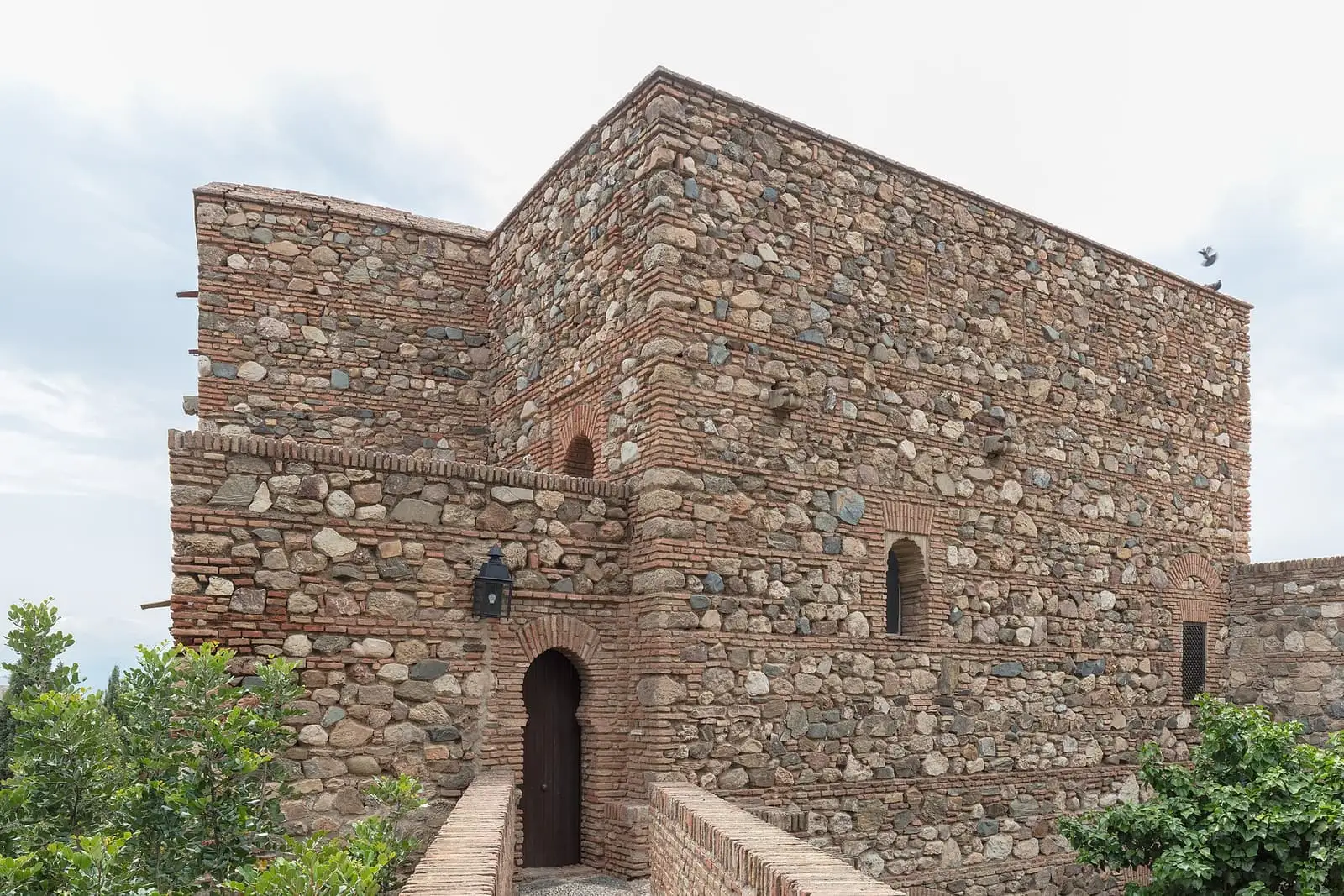
Start at Málaga’s Moorish palace-fortress, begun in the 11th century, when it is cool and quiet. It climbs the hill above the port in layers of walls, gates, patios and fountains, and it is far less crowded than the Alhambra. It opens at 9:00 all year. Allow 1 to 1.5 hours. A ticket costs about €7, or about €10 with Gibralfaro. See our Alcazaba guide.
Prefer a guide? A tour of the Alcazaba and Gibralfaro explains the history as you go.
10:30: Gibralfaro
The 14th-century castle on top of the hill was built to protect the Alcazaba. Walk the ramparts for what we think is the best view in Málaga, over the port, the bullring and the coast. It is a steep climb, so bring water, or skip it on a hot day.
12:30: the Roman theatre
At the foot of the Alcazaba, this theatre from the 1st century BC was rediscovered only in the 1950s. You can see it from the street, or walk in and sit on the steps. It is free, and 20 minutes is enough. It is closed on Mondays.
13:00: lunch at the market
The Mercado de Atarazanas is an iron-and-glass hall from the 19th century, with a Moorish gate and a stained-glass window. Eat fried fish or grilled prawns at one of the bars inside. It is closed on Sundays. Alternatively, try the bars around Plaza de la Merced. See where to eat in Málaga.
15:00: the cathedral
La Manquita, “the one-armed lady”, takes its nickname from its unfinished second tower. Tickets cost €10, with an audio guide included, and the visit takes about an hour. On Sundays it opens to visitors only from 14:00. See our cathedral guide.
16:30: the Picasso Museum
Picasso was born in Málaga, and this museum holds a collection of his work across his whole career. Tickets cost about €13, and the visit takes 1.5 to 2 hours. It closes at about 18:00 from November to February, 19:00 in spring and autumn, and 20:00 in July and August, so go earlier if you are visiting in winter. See our Picasso Museum guide.
18:30: Calle Larios
Walk down Calle Larios, the city’s living room for shopping and the evening stroll, to the Plaza de la Constitución. From late November it is covered in Christmas lights.
19:30: Muelle Uno
Follow the port to Muelle Uno and the lighthouse for the sunset. The sunset is much earlier in winter, so move this part forward.
21:00: dinner
Take a taxi to Pedregalejo for espetos, sardines grilled on a skewer over a fire by the sea. Or stay in the old town for tapas around Calle Granada, and El Pimpi, the city’s best-known bar, with a terrace facing the Roman theatre.
Where to stay
We’d stay in the old town, to walk to everything.
- Soho Boutique Bahía Málaga: simple and modern, between the port and Calle Larios.
- Catalonia Molina Lario: next to the cathedral, with a rooftop pool and terrace.
- Palacio Solecio: a restored 18th-century palace in the heart of the old town.
Variations
- By train for the day: see the routes from Seville, Córdoba and Granada. You may start later, so skip Gibralfaro if you are short of time.
- From the airport or a cruise ship: see Málaga airport to the city. Keep close to the port, leave out Pedregalejo, and allow plenty of time to get back.
- On a Sunday: the Alcazaba and Gibralfaro are free from 14:00, and the Picasso Museum is free in the last two hours. The market is closed, and the cathedral opens only from 14:00, so visit the Alcazaba in the morning anyway, to avoid the queue at 14:00.
- On a Monday: the Roman theatre’s visitor area is closed, though you can still see the theatre from the street.
- In summer: the terral, a hot wind from inland, can push the city above 40 °C for a day or two. Do the Alcazaba first thing, spend the afternoon in the museums, and swim at La Malagueta.
- In the rain: add the Centre Pompidou Málaga (about €9), closed on Tuesdays, or the Carmen Thyssen Museum (about €12).
- With a second day: add a museum, Soho and La Malagueta beach. With a third, do the Caminito del Rey or Nerja. See day trips from Málaga.
For the full list, see things to do in Málaga.
FAQ
Is one day enough in Málaga?
One day covers the Alcazaba, Gibralfaro, the cathedral and the Picasso Museum at a brisk pace. Two days are more relaxed, and let you add the beach and another museum.
What should I not miss in Málaga in one day?
The Alcazaba and the view from Gibralfaro, then the Picasso Museum and a walk down Calle Larios to the port.
Can I do Málaga on a stopover?
Yes, if you have most of a day. The centre is compact, and the train from the airport is quick. See Málaga airport to the city.
What is free in Málaga?
The Roman theatre and the beaches are free. The Alcazaba and Gibralfaro are free on Sundays from 14:00, and the Picasso Museum in the last two hours on Sundays.
Do I need to book anything for a day in Málaga?
We’d book the Picasso Museum in high season. The Alcazaba and the cathedral rarely need it.