
Some links on this page are affiliate links. If you book through them we may earn a commission, at no extra cost to you.
The short answer
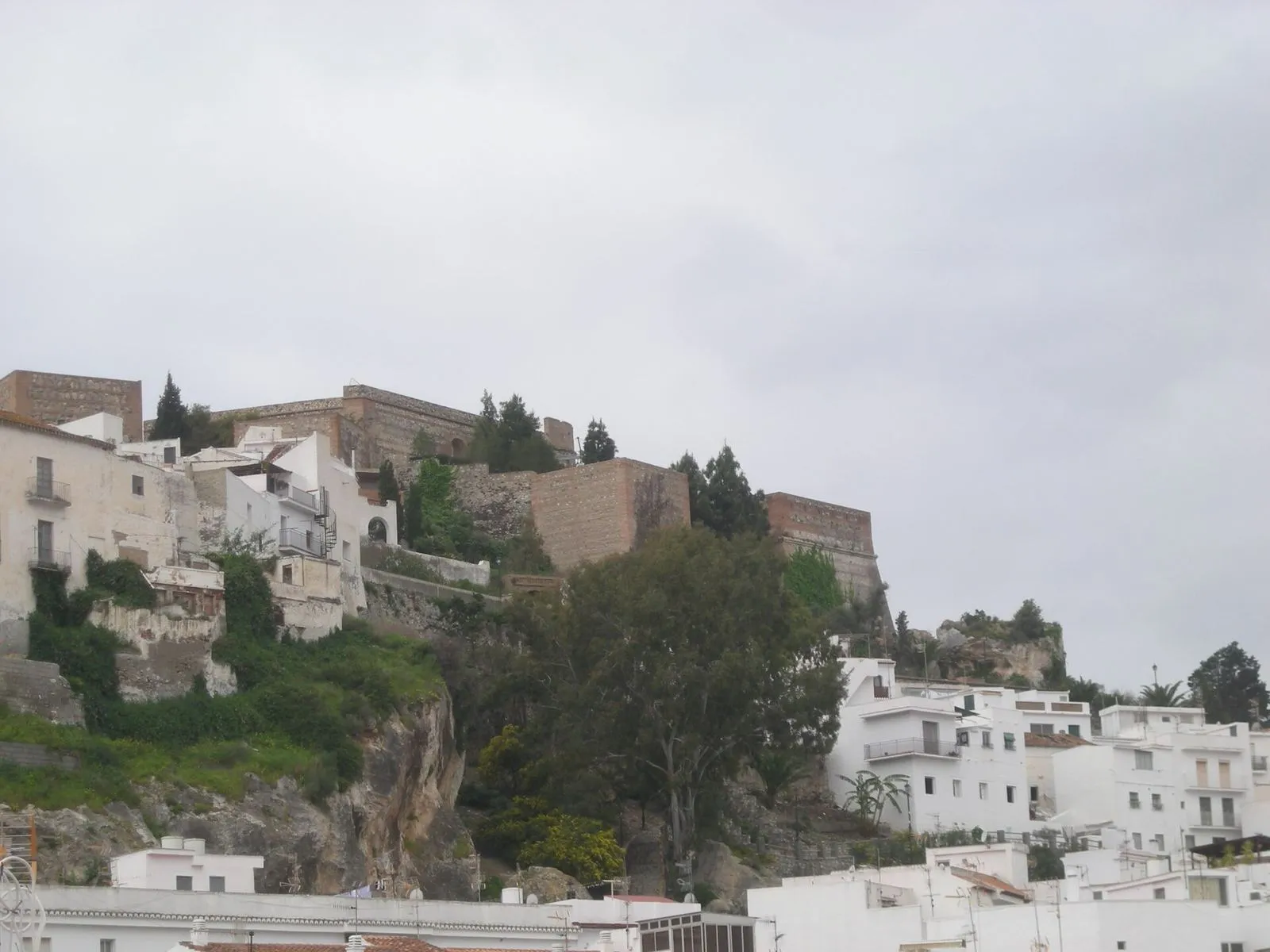
Salobreña is a white town of about 12,700 people on a rocky hill above the sea on the Costa Tropical, the coast of Granada province. An Arab castle crowns the rock, the old quarter spills down its slope in whitewashed lanes, and the beaches lie on the flat plain below, among sugar cane and fruit fields.
- Is it worth it? Yes. We think it is one of the prettiest towns on this coast, with a castle, a walkable old quarter and long, uncrowded beaches in the same place.
- Time needed: 3–4 hours for the castle and the old town. We’d add a beach afternoon, or stay a night.
- Cost: the castle is about €4; the old town and the viewpoints are free.
- Getting there: about an hour by car from Granada, about 1 h 15 from Málaga, or by Alsa bus from both.
It works as a day trip from Granada, as a base for the whole Costa Tropical, or as a stop on the way to Nerja.
The castle
The Castillo de Salobreña sits at the top of the rock and is often called the best-preserved medieval castle on this coast. Its roots go back to the 10th century, but what you see is mostly Nasrid, from the time of the Emirate of Granada. In the 14th and 15th centuries it was a summer residence and also a prison for sultans and princes who threatened the ruling line. It was declared a cultural heritage monument in 1993.
- Ticket: about €4 for adults and free for children under 12, with a reduced rate for groups. Entry is free on Monday afternoons, within the normal opening hours.
- Hours: they change with the season, and the castle closes in the middle of the day. Expect roughly 10:00–13:00, then an afternoon slot that runs from about 16:00 in winter to 17:30–20:00 in summer. We’d check with the local tourist office before you go.
- What you see: a trapezoidal fortress with four towers and walkways along the walls, with views over the sea, the plain and, on a clear day, the snow of the Sierra Nevada.
- Sunset visit: in summer the town runs guided evening visits with a wine tasting, mostly in Spanish. Tickets are sold online, from about €12.
The old town and the viewpoints
The old quarter is built on the slope between the castle and the sea, and it is small enough to cover on foot in an hour or two. Wear shoes with a grip: the lanes are steep and stepped.
- Barrio de la Villa and the Albaicín: the two old neighbourhoods near the castle, with stepped lanes, whitewashed houses and flowerpots. This Albaicín is a small quarter of its own, not the one in Granada.
- Church of Nuestra Señora del Rosario: a 16th-century church in the Mudéjar style, with Arab tile decoration.
- La Bóveda: a vaulted medieval passage that links the Villa and Albaicín quarters.
- Viewpoints: there are terraces along the way up. The Mirador Enrique Morente looks out over the roofs and the sea from nearly 100 metres up. We’d go late in the afternoon, when the light is soft.
For the classic view of the castle above the white houses, look back at the town from the beach at Playa de la Guardia.
The beaches
Salobreña has five beaches, on the flat ground below the town. The sand is grey and coarse, mixed with gravel. They are quieter than the beaches of the Costa del Sol, even in August.
- Playa de la Guardia: almost a kilometre of sand and gravel in open country, with the best view of the rock and the castle. It has flown the Blue Flag in recent years.
- El Peñón: the rock at the end of the seafront promenade, between La Guardia and the main town beach. We’d climb it for a view along the coast.
- Playa de la Charca (Solamar): the long town beach, about two kilometres, with restaurants, toilets, sunbeds and shops. In our view the easiest option for families.
- El Caletón: a small cove reached on foot, with clear water, popular with swimmers and snorkellers. There are no lifeguards or services, so bring water.
- Punta del Río: a quiet natural beach near the mouth of the Guadalfeo river, good for bird watching.
Small coves such as El Pargo lie further along the cliffs. Check the sea before you swim in any of them, and do not leave valuables in a parked car.
Where to stay
We’d stay in the old town for charm and the view, or near the beach for convenience.
- Hotel Boutique Alcazaba Salobreña: an adults-only hotel with only six rooms in the old town, below the castle. Rated 9.7 on Booking.
- More options: hotels and apartments in Salobreña, or Almuñécar, about 9 km west, which has more hotels and shops.
We compare the whole coast in our Costa Tropical guide.
Eating
The old town and the beach promenade have plenty of small restaurants. Look for espetos (sardines grilled on a skewer) and fresh fish by the beach, and for the tropical fruit grown in the valley, such as custard apples, avocados and mangoes. Salobreña also stands in sugar cane country: the cane was grown here for centuries, and the old sugar factory is still a landmark on the plain.
Nearby
- Almuñécar (about 9 km west): the biggest resort on the coast, with a castle, Roman remains and a long promenade.
- Motril (about 6 km east): the main port and a working town, with a sugar-cane museum.
- Nerja (about 45 minutes west): the caves, the Balcón de Europa and, just above it, the white village of Frigiliana.
- Granada and the Alhambra: about an hour away. A morning at the Alhambra and an afternoon by the sea is possible, but it makes a long day.
Getting to Salobreña
| From | Car | Bus (Alsa) |
|---|---|---|
| Granada | about 1 h (about 50 km, A-44) | about 1 h, several a day |
| Málaga | about 1 h 15 (A-7) | about 1 h 45–2 h 15, several a day |
| Nerja | about 40–45 min | about 1 h |
- By car: the easiest way, and the best one for the coves. Hire in Granada or at Málaga airport; see our car hire guide. We’d park low down and walk up, since the old lanes are narrow and steep.
- By bus: Alsa runs buses to Salobreña from Granada and Málaga. Compare times on the same routes at Granada to Almuñécar and Málaga to Almuñécar.
- By train: there is no railway on the Costa Tropical.
When to go
We think spring and autumn are best for sightseeing. July and August are hot, with highs of about 30 °C or more, but the sea is warm and the beaches are the point. Winters are mild, with highs of about 13–16 °C, and the town is quiet. See when to visit Andalusia for the month by month picture, and the best places to visit in Andalusia for more ideas.
FAQ
Is Salobreña worth visiting?
Yes. It has a castle, a pretty white old town and long, uncrowded beaches in one place, and it is easy to reach from Granada, Málaga and Nerja.
How far is Salobreña from Granada?
About 50 km, or roughly an hour by car on the A-44. Alsa buses take about the same time.
How much does the Salobreña castle cost?
About €4 for adults, free for children under 12, and free on Monday afternoons. Check the opening hours first: they change with the season, and the castle closes in the middle of the day.
Which is the best beach in Salobreña?
For the view of the castle and a quieter stretch, Playa de la Guardia. For restaurants, sunbeds and families, Playa de la Charca. For clear water and a short walk, El Caletón.
Should I stay in Salobreña or Almuñécar?
We’d choose Salobreña for a smaller, prettier white town and a quiet stay, and Almuñécar for more restaurants, sights and bus connections. They are only about 9 km apart, so you can see both.