
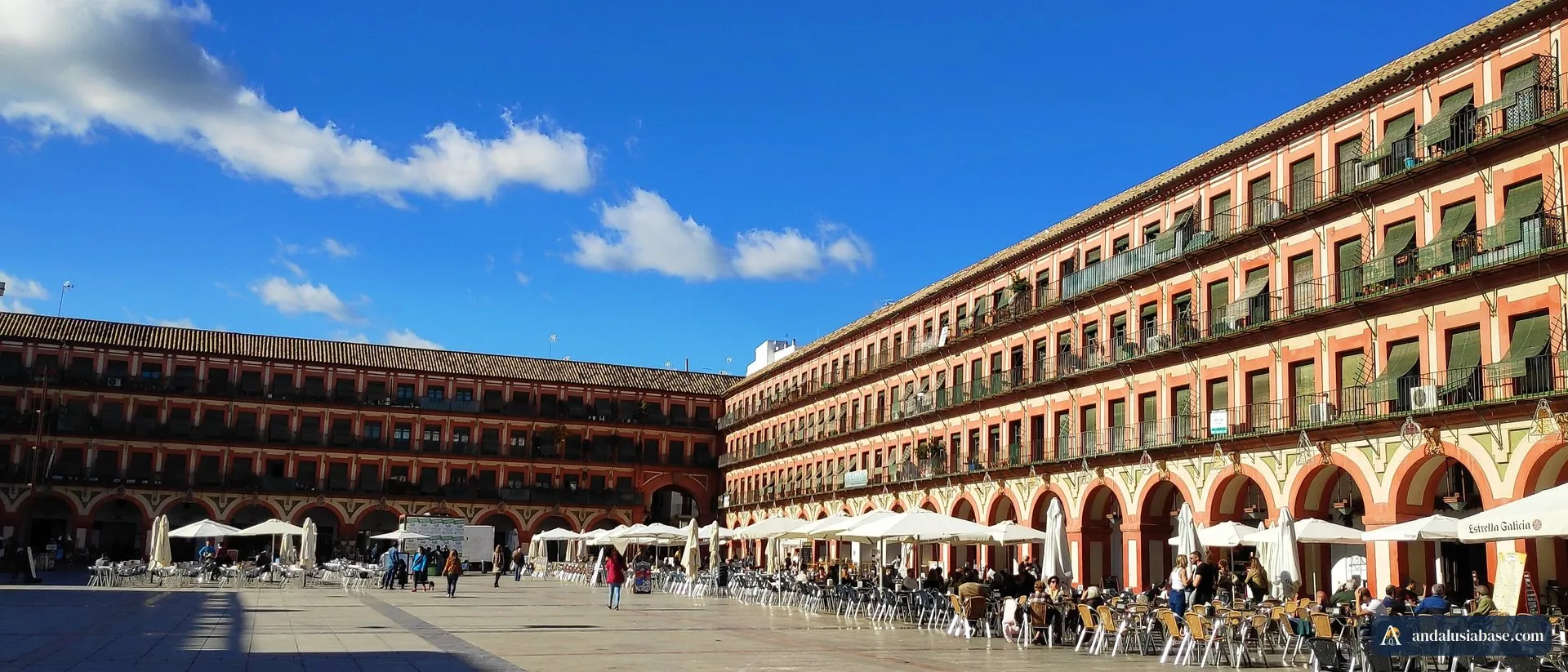
Some links on this page are affiliate links. If you book through them we may earn a commission, at no extra cost to you.
The short answer: best areas
For a first visit, we’d stay in the Judería, the old Jewish quarter around the Mezquita. You can be at the gates for the free early entry in a few minutes, and in the evening, when the day-trippers have left, the lanes are quiet and beautiful.
- Best for first-timers: the Judería, the white lanes around the Mezquita
- Best for patios and a local feel: San Basilio, behind the Alcázar
- Best for value and character: La Ribera and the Plaza del Potro, east of the Mezquita
- Best for shops, bars and the train: the centre, around Plaza de las Tendillas
- Best for arriving by train or car: near the station and the Jardines de la Victoria
Córdoba is compact and flat, and every area on this list is within 25 minutes’ walk of the Mezquita. The choice is about atmosphere, noise and price rather than transport.
The areas at a glance
| Area | Walk to the Mezquita | Best for | Watch out for |
|---|---|---|---|
| Judería | 0–5 min | First visit, couples, evenings | Crowded by day, small rooms, no cars |
| San Basilio | 5–10 min | Patios, quiet nights | Few hotels; the busiest area in patio week |
| La Ribera and the Potro | 5–10 min | Value, the river, local bars | Some streets are plain; traffic on the riverside road |
| Centro (Tendillas) | 10–15 min | Shops, tapas, the train | Less charm; a modern city centre |
| Near the station | 20–25 min | Late trains, driving, pools | A walk or taxi to the old town every day |
Why spend the night in Córdoba?
Most visitors come for the day from Seville, and the Mezquita is crowded from mid-morning to late afternoon. If you stay the night, you can see it first thing, during the free early entry (Monday to Saturday), and walk the Judería in the evening, when it is almost empty. In spring the patios and squares smell of orange blossom and jasmine; in summer the evening is the only comfortable time to be outside.
The Judería: for the Mezquita and the evenings
The Judería is the maze of white lanes, flowerpots and small squares west and north of the Mezquita: the Calleja de las Flores, the synagogue, Plaza de Maimónides and the old city walls. Everything on our list of things to do in Córdoba starts here.
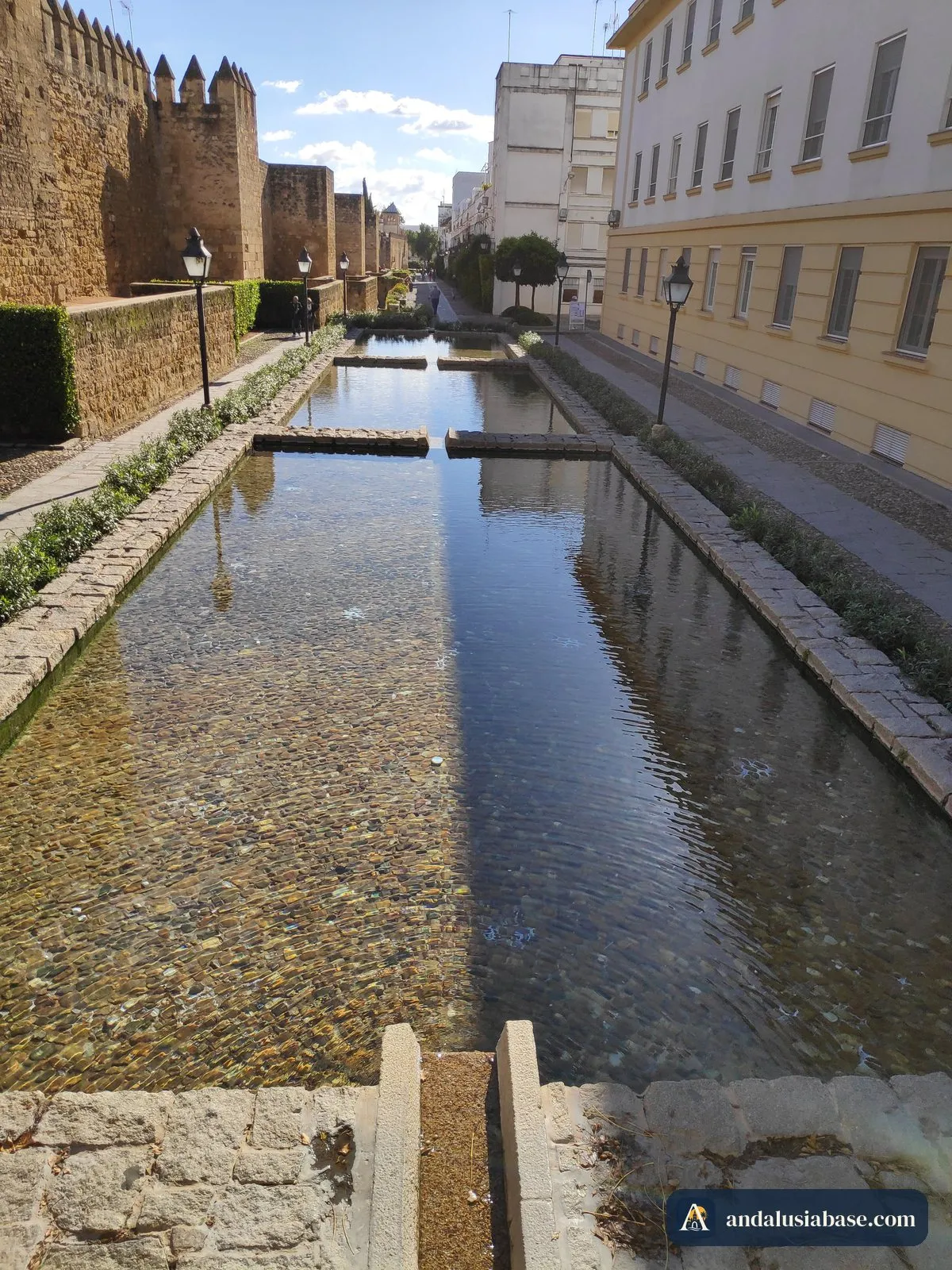
It is packed with tour groups by day, but very quiet at night. Cars can’t enter most of it, so if you arrive by car, ask your hotel where to park or leave it at a public car park at the edge of the old town.
- Budget: Hotel Marisa: a simple, good-value hotel facing the north wall of the Mezquita
- Mid-range: Hotel Balcón de Córdoba: a small boutique hotel a few steps from the Mezquita, with a roof terrace
- Top: NH Collection Palacio de Córdoba: two 18th-century mansions on Plaza de Maimónides, reopened in 2026 as a five-star hotel, with patios and an outdoor pool in a courtyard
Also good: Eurostars Conquistador, right opposite the Mezquita’s east wall, and Hotel Casa Museo de la Mezquita, a good-value hotel in an old house on Plaza Santa Catalina, facing it.
San Basilio: for the patios and quiet nights
San Basilio, also called the Alcázar Viejo, is the small grid of lanes behind the Alcázar de los Reyes Cristianos, just outside the old walls. It has some of the most famous patios in the city, open to visitors during the Festival de los Patios in May, and feels residential the rest of the year, with neighbourhood bars and very little traffic.
It has only a handful of small hotels and hostales, so most visitors stay in apartments. We’d book early for May.
- Budget and mid-range: search apartments in San Basilio: many are in old houses with a patio
- Top: Las Casas de la Judería: several linked houses with patios, fountains and a pool, between the Judería and San Basilio
La Ribera and the Plaza del Potro: for value and character
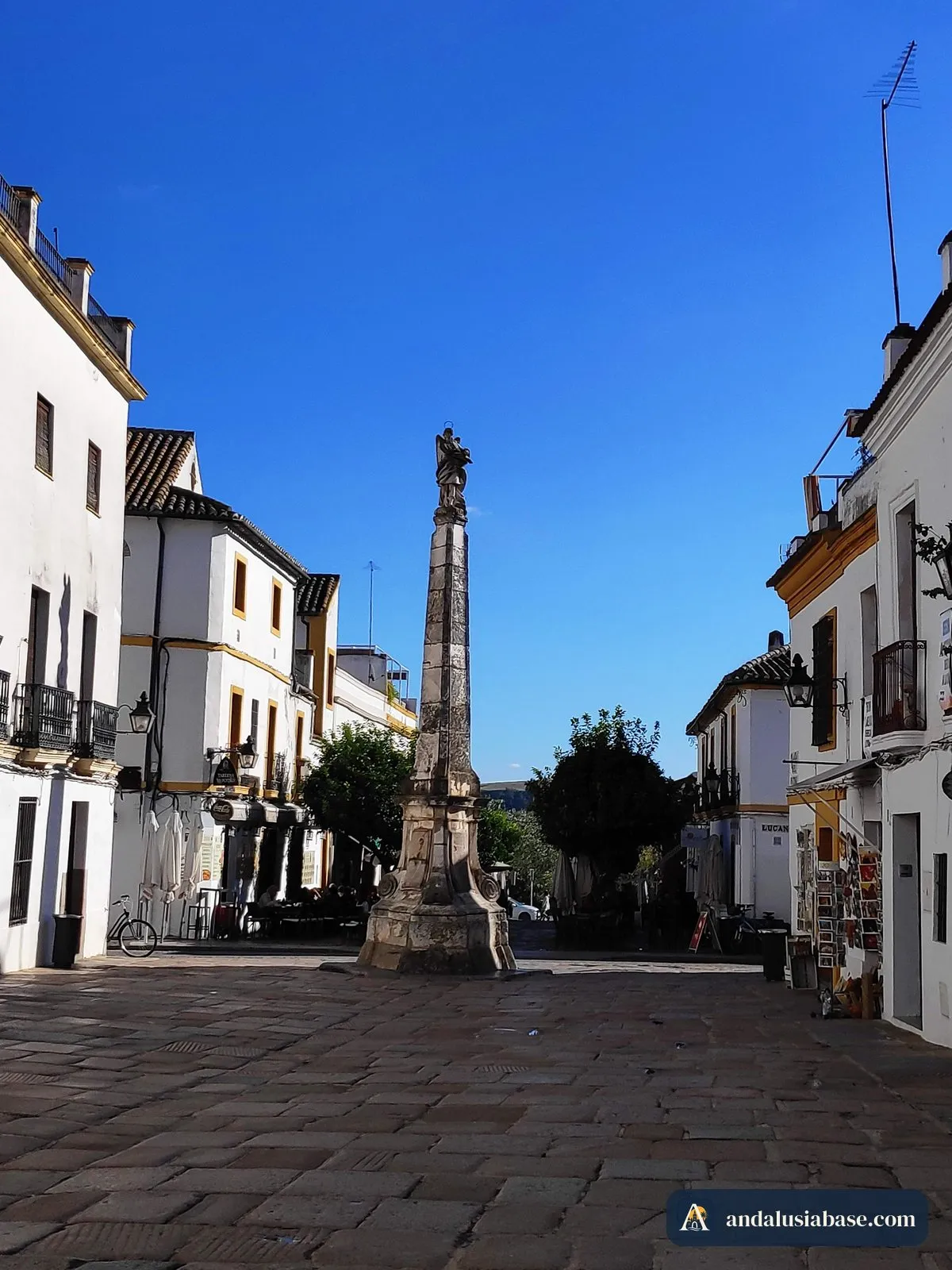
East of the Mezquita, the old town runs down to the river through the districts of San Francisco and La Ribera. The Plaza del Potro, with its fountain, the Posada del Potro and the Julio Romero de Torres museum, is the heart of it. It has fewer souvenir shops and more local bars than the Judería, and hotels are a little cheaper. The riverside walk leads to the Roman bridge in about ten minutes.
- Budget: Hotel Maestre: a simple, well-kept hotel near the Plaza del Potro
- Mid-range: Hotel Casa de los Azulejos: a colourful house with a leafy, tiled patio, between the Potro and the centre
- Top: Hotel Viento 10: a small boutique hotel in a restored 16th-century house near the church of Santiago, a few minutes north-east of the Potro, with a roof terrace and a small saltwater pool
The centre around Plaza de las Tendillas: for shops, tapas and the train
The modern centre, around Plaza de las Tendillas and Calle Cruz Conde, is where the people of Córdoba shop, meet and go out for tapas. It is 10–15 minutes’ walk from the Mezquita and a little closer to the train station. It has less charm than the old town, but more choice and lower prices.
- Budget: search hotels near Plaza de las Tendillas: several simple hotels and hostales in the side streets
- Mid-range: search hotels in Córdoba centre: good for comparing prices across the area
- Top: Hospes Palacio del Bailío: a palace built between the 16th and 18th centuries, north of the centre, with Roman remains under a glass floor, an outdoor pool and a spa
The Hospes is in the quieter districts north of the centre, near the Palacio de Viana and the medieval churches of Santa Marina and San Lorenzo, whose patios open in May.
Near the station and the Jardines de la Victoria: for trains, cars and pools
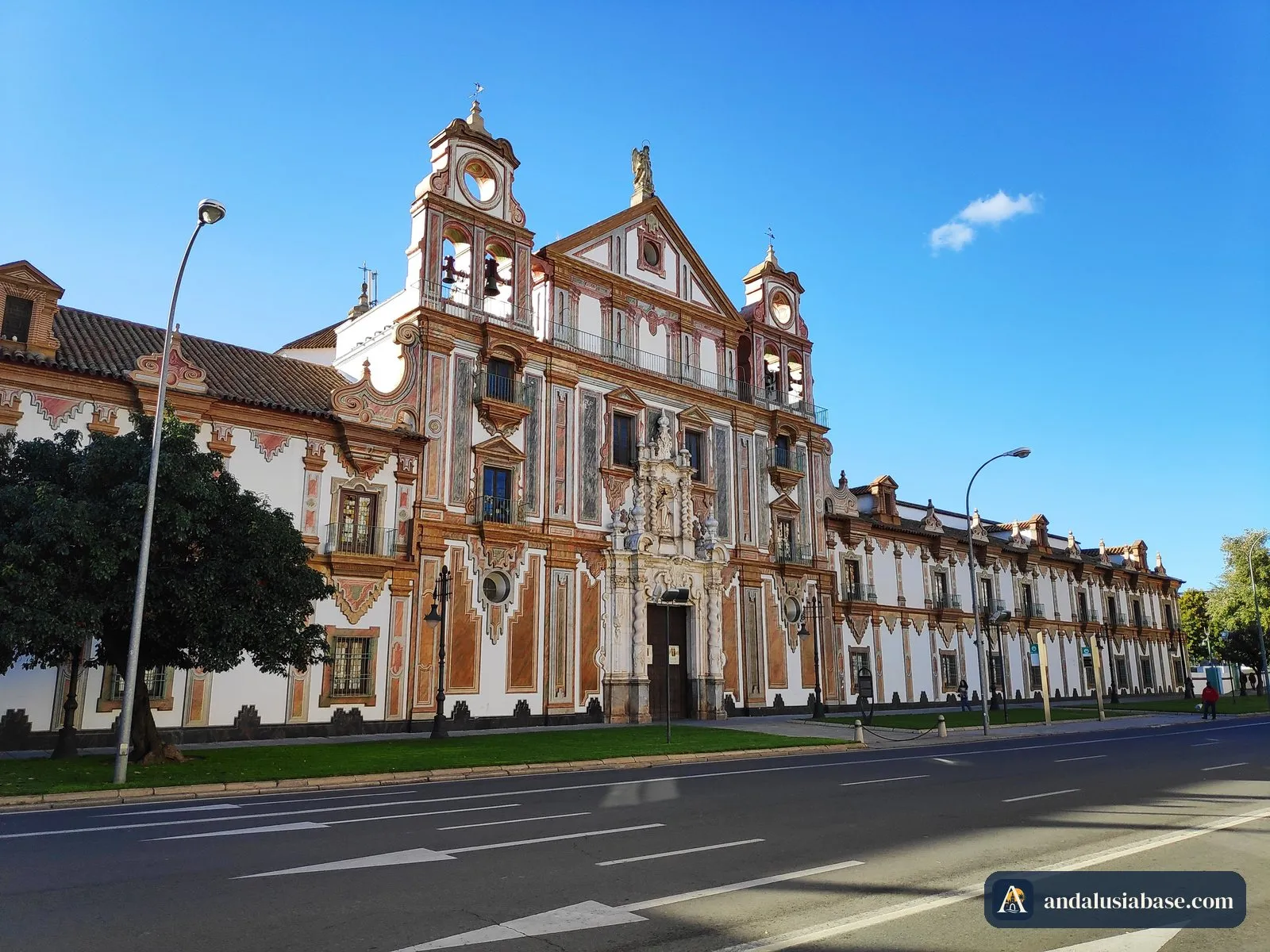
The area between the station and the Jardines de la Victoria gardens has bigger, more modern hotels, often with a pool and parking. It is practical if you arrive late, leave early or have a car, and the walk to the Mezquita through the gardens takes 20–25 minutes.
- Mid-range: Hotel Córdoba Center: a modern hotel next to the station, with a seasonal rooftop pool
- Top: Eurostars Palace: a large five-star hotel on the Paseo de la Victoria, with a seasonal rooftop pool and parking
- With a car: the Parador de Córdoba, on a hill 3–4 km north of the centre, has big gardens, a pool and free parking, but you will drive or take a taxi into town
Events, seasons and prices
- May: Córdoba’s big month. The Cruces de Mayo (flower crosses in the squares) around 1 May, the Festival de los Patios, usually in the first two weeks, and the Feria at the end of the month. Hotels fill up and prices rise. We suggest booking two or three months ahead.
- Semana Santa 2027: Palm Sunday 21 March to Easter Sunday 28 March 2027. Processions pass through the old town and the Mezquita, and hotels are busy.
- Summer (July and August): very hot, often above 40°C in the afternoon. Prices drop, and we think a hotel with a pool makes a real difference.
- Winter: the quietest and cheapest season, with sunny days and cold nights. We’d check that your room has heating.
Outside May and Semana Santa, a double room in a good hotel in the old town typically costs around €70–130 in winter and summer, and €100–180 in spring and autumn. We’d book with free cancellation and check the price again a few weeks before your trip.
Apartments or a hotel?
Apartments in old houses with a patio are a good choice in San Basilio and around the Potro, especially for families or stays of three nights or more. We’d choose a listing that shows its official registration number and has recent reviews. For one or two nights, we think a hotel in the Judería is simpler: many have a patio, a roof terrace and someone to ask about parking.
Travelling on?
Córdoba is 45 minutes from Seville and about 1 h 30 from Granada by train, so it is a natural stop between the two. See where to stay in Seville and in Granada, where to base yourself in Andalusia and our Andalusia road trip. For more hotels, see the best hotels in Córdoba.
FAQ
What is the best area to stay in Córdoba for the first time?
The Judería, around the Mezquita. You can walk to every main sight, reach the Mezquita for the free early entry, and enjoy the old town in the evening when it is quiet.
Is one night in Córdoba enough?
One night is enough for the main sights, and in our view much better than a day trip: you see the old town in the evening and the Mezquita early in the morning. Add a second night for Medina Azahara and the Palacio de Viana. See the Córdoba travel guide.
Is it better to stay in Córdoba or visit from Seville?
A day trip from Seville works, with trains taking about 45 minutes. But a night in Córdoba lets you avoid the midday crowds and heat, and costs less than a night in Seville.
Where should I stay in Córdoba with a car?
Near the station or the Jardines de la Victoria, or at the Parador, where hotels have parking. Most of the Judería is closed to cars; if you stay there, ask the hotel about parking before you arrive.
Do I need a hotel with a pool in Córdoba?
From June to September, we’d say yes if you can. Córdoba is one of the hottest cities in Europe, and a swim after lunch makes a summer visit much easier.